Traffic Representation In Sydney Local Courts

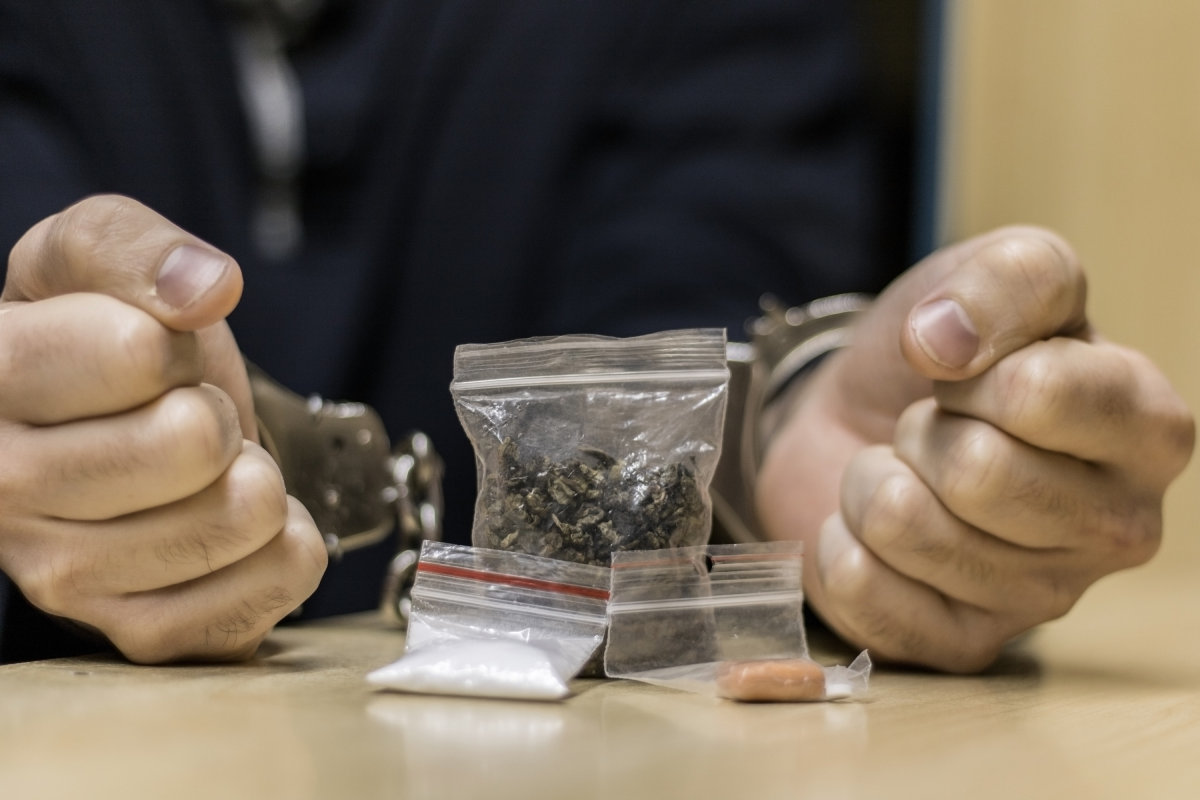
Traffic charges listed across Local Courts carry consequences that extend beyond penalty to licence status, employment, and daily life. The range of traffic matters we handle includes drink driving at all prescribed concentration levels, drug driving, driving whilst disqualified or suspended, dangerous and negligent driving, and applications arising from licence disqualification. We act from first mention through to defended hearing, sentencing, and appeal. If you have been charged with a traffic offence, a free initial consultation is available to discuss representation.

Confidential. No obligation. Fast response.

Immediate Legal Advice. Speak Directly With a Criminal Defence Lawyer.

    Footer Logo

    Book Your
    Free Consultation

    Speak directly with an experienced criminal defence lawyer.

    5 star rating on Google 1000+ reviews Trusted by NSW Clients

    Your details are confidential and reviewed by our legal team only.

    9-news-photo-Criminal-Law-Group
    7-news-photo-Criminal-Law-Group
    BBC-news-photo-Criminal-Law-Group
    lawyer-weekly-photo-Criminal-Law-Group
    daily-telegraph-photo-Criminal-Law-Group
    daily-mail-ausrtalia-photo-Criminal-Law-Group
    news-com-photo-Criminal-Law-Group
    news-first-photo-Criminal-Law-Group
    news-photo-Criminal-Law-Group
    SBS-photo-Criminal-Law-Group
    The-sydney-morning-photo-Criminal-Law-Group
    The-Guardian-photo-Criminal-Law-Group

    How We Approach Traffic Defence

    Criminal Law Group practises exclusively in criminal and traffic law. With more than 30 years of combined experience, our lawyers appear regularly in Local Courts defending clients charged with traffic offences across the full range of seriousness.

    Each traffic charge carries its own evidentiary requirements, and the prosecution must establish every element to the criminal standard. Drink driving matters depend on breath analysis procedures and certificate evidence. Drug driving matters depend on oral fluid testing and confirmatory analysis. Driving whilst disqualified matters require proof of knowledge of the disqualification. Each category demands close examination of the evidence and the procedures followed.

    We examine the certificate evidence and testing procedures relied upon by the prosecution, assess whether police complied with the procedural requirements applicable to the charge, and identify any evidentiary issues arising from the material served. Where a matter demands it, we brief experienced barristers to present the defence.

    Confidential. No obligation. Fast response.

    Step1

    Urgent Legal Advice

    Traffic charges arise from a police stop involving roadside testing. For drink driving, police conduct roadside breath testing and, where a positive indication is returned, breath analysis at a police station using an approved device. For drug driving, oral fluid testing may be followed by a blood or urine sample for confirmatory analysis. You then receive a Court Attendance Notice identifying the offence and the first court date. Police bail conditions, if granted, must be complied with. Having a lawyer engaged before the first listing allows the charge, the certificate evidence, and the testing procedures to be reviewed.

    Step2

    Free Case Review

    The first listing is a procedural mention in the Local Court named on the Court Attendance Notice. Traffic matters are typically listed in a dedicated traffic list. The court may adjourn proceedings to allow the prosecution to serve the certificate evidence and any additional material relied upon. A plea is generally not required at this stage. We attend the Local Court on your behalf and confirm the procedural timetable.

    Step3

    Brief of Evidence Analysis

    The prosecution serves the evidentiary material relied upon for the traffic charge. For drink driving, this includes the breath analysis certificate recording the reading, the operator qualification certificate, and instrument calibration records. For drug driving, the material includes the oral fluid analysis certificate and confirmatory blood analysis results. For driving whilst disqualified or suspended, the prosecution must establish that the driver had knowledge of the disqualification or suspension. The material is examined to determine whether the prosecution can prove each element of the charge, whether the testing procedures were conducted correctly, and whether any procedural or evidentiary issues arise from the material served.

    Step4

    Defence Strategy

    Once the evidence is assessed, advice covers the prosecution case, the evidentiary issues, and the options: defending the charge at hearing, negotiating, or entering a plea with submissions on the sentencing considerations relevant to the traffic offence. The court may consider sentencing options from dismissal, to a conditional release order without conviction, a conditional release order with conviction, a community correction order, an intensive correction order, through to full-time imprisonment. For traffic offences, sentencing may also involve licence disqualification, and the availability of non-conviction outcomes depends on the nature and seriousness of the charge. All questions about the evidence and procedural options are addressed before a direction is settled.

    Step5

    Court Representation

    If the traffic matter proceeds to a defended hearing, the prosecution must prove its case to the criminal standard. For drink driving, this requires tendering the certificate evidence and establishing that testing was conducted in accordance with the applicable procedures. For drug driving, the prosecution must establish that a prescribed substance was present through properly conducted analysis. Each element of the charge is tested through cross-examination of the prosecution witnesses and submissions on whether the offence has been proved to the required standard. If the prosecution fails to establish each element of the charge to the required standard, the court must determine the matter according to the evidence before it.

    Step6

    Court Result

    If the matter resolves by way of plea or after hearing, the outcome is explained together with any licence consequences, disqualification periods, or conditions imposed. Where sentencing submissions are required, they are prepared and presented addressing the objective seriousness of the offence, the subjective circumstances, any impact on employment and mobility, and the sentencing options available to the court. For traffic offences, the interlock program and licence restoration pathways may also be relevant depending on the charge and disqualification period. Appeal rights may be available depending on the nature of the matter and the court involved.

    How We Approach Traffic Defence

    Criminal Law Group practises exclusively in criminal and traffic law. With more than 30 years of combined experience, our lawyers appear regularly in Local Courts defending clients charged with traffic offences across the full range of seriousness.

    Each traffic charge carries its own evidentiary requirements, and the prosecution must establish every element to the criminal standard. Drink driving matters depend on breath analysis procedures and certificate evidence. Drug driving matters depend on oral fluid testing and confirmatory analysis. Driving whilst disqualified matters require proof of knowledge of the disqualification. Each category demands close examination of the evidence and the procedures followed.

    We examine the certificate evidence and testing procedures relied upon by the prosecution, assess whether police complied with the procedural requirements applicable to the charge, and identify any evidentiary issues arising from the material served. Where a matter demands it, we brief experienced barristers to present the defence.

    Step1

    Urgent Legal Advice

    Traffic charges arise from a police stop involving roadside testing. For drink driving, police conduct roadside breath testing and, where a positive indication is returned, breath analysis at a police station using an approved device. For drug driving, oral fluid testing may be followed by a blood or urine sample for confirmatory analysis. You then receive a Court Attendance Notice identifying the offence and the first court date. Police bail conditions, if granted, must be complied with. Having a lawyer engaged before the first listing allows the charge, the certificate evidence, and the testing procedures to be reviewed.

    Step2

    Free Case Review

    The first listing is a procedural mention in the Local Court named on the Court Attendance Notice. Traffic matters are typically listed in a dedicated traffic list. The court may adjourn proceedings to allow the prosecution to serve the certificate evidence and any additional material relied upon. A plea is generally not required at this stage. We attend the Local Court on your behalf and confirm the procedural timetable.

    Step3

    Brief of Evidence Analysis

    The prosecution serves the evidentiary material relied upon for the traffic charge. For drink driving, this includes the breath analysis certificate recording the reading, the operator qualification certificate, and instrument calibration records. For drug driving, the material includes the oral fluid analysis certificate and confirmatory blood analysis results. For driving whilst disqualified or suspended, the prosecution must establish that the driver had knowledge of the disqualification or suspension. The material is examined to determine whether the prosecution can prove each element of the charge, whether the testing procedures were conducted correctly, and whether any procedural or evidentiary issues arise from the material served.

    Step4

    Defence Strategy

    Once the evidence is assessed, advice covers the prosecution case, the evidentiary issues, and the options: defending the charge at hearing, negotiating, or entering a plea with submissions on the sentencing considerations relevant to the traffic offence. The court may consider sentencing options from dismissal, to a conditional release order without conviction, a conditional release order with conviction, a community correction order, an intensive correction order, through to full-time imprisonment. For traffic offences, sentencing may also involve licence disqualification, and the availability of non-conviction outcomes depends on the nature and seriousness of the charge. All questions about the evidence and procedural options are addressed before a direction is settled.

    Step5

    Court Representation

    If the traffic matter proceeds to a defended hearing, the prosecution must prove its case to the criminal standard. For drink driving, this requires tendering the certificate evidence and establishing that testing was conducted in accordance with the applicable procedures. For drug driving, the prosecution must establish that a prescribed substance was present through properly conducted analysis. Each element of the charge is tested through cross-examination of the prosecution witnesses and submissions on whether the offence has been proved to the required standard. If the prosecution fails to establish each element of the charge to the required standard, the court must determine the matter according to the evidence before it.

    Step6

    Outcome Secured

    If the matter resolves by way of plea or after hearing, the outcome is explained together with any licence consequences, disqualification periods, or conditions imposed. Where sentencing submissions are required, they are prepared and presented addressing the objective seriousness of the offence, the subjective circumstances, any impact on employment and mobility, and the sentencing options available to the court. For traffic offences, the interlock program and licence restoration pathways may also be relevant depending on the charge and disqualification period. Appeal rights may be available depending on the nature of the matter and the court involved.

    Confidential. No obligation. Fast response.

    Frequently Asked Questions About Traffic Charges in Sydney

    Is a free initial consultation available with a Sydney traffic lawyer?

    The charge is discussed directly with a traffic lawyer during a free initial consultation. The nature of the offence, the court where the matter is listed, and the applicable process are covered. Questions about certificate evidence and what to expect at court can be raised. There is no obligation to proceed with representation.

    What happens at my first court date for a traffic charge in Sydney?

    For a traffic charge, the first court date is a procedural mention at the Local Court named on the Court Attendance Notice. The matter is typically listed in the traffic list before a Magistrate, and proceedings may be adjourned for the prosecution to serve the certificate evidence and for legal advice to be obtained. A plea is generally not entered at this initial listing. If represented, a lawyer can attend court on your behalf and personal attendance may not be required for the mention.

    Do you offer fixed fees for traffic matters in Sydney?

    Fixed fees are available for many traffic matters once the scope is clear. After the charge is understood, the certificate evidence reviewed, and the likely course of proceedings assessed, a fixed fee is provided for defined stages. Costs are confirmed in advance without unexpected increases, and fee information is provided before any commitment to representation.

    Can drink driving charges be defended in Sydney?

    Drink driving charges depend on certificate evidence produced by breath analysis conducted at a police station. The prosecution must establish that the testing was conducted correctly, that the operator held the required qualifications, and that the instrument was properly calibrated. If any procedural requirement was not met or if the evidence does not establish an element of the offence, this may affect whether the charge can be proved. Each matter is assessed on its own facts and the specific evidence served.

    What penalties apply to traffic offences in Sydney?

    The penalties for traffic offences vary depending on the nature and seriousness of the charge. Drink driving penalties depend on the prescribed concentration range and whether it is a first or subsequent offence, and may include fines, licence disqualification, participation in the interlock program, and in some cases imprisonment. Drug driving, dangerous driving, and driving whilst disqualified each carry their own penalty frameworks. The Local Court’s sentencing power is generally limited to a maximum of two years imprisonment for a single offence, with more serious matters where matters proceed on indictment in the District Court.

    Can I avoid a conviction for a traffic offence in Sydney?

    The sentencing options available to the court range from dismissal, to a conditional release order without conviction, a conditional release order with conviction, a community correction order, an intensive correction order, through to full-time imprisonment. Whether a conviction is recorded depends on the nature of the offence, the person’s character and antecedents, the circumstances of the offending, and any other matter the court considers relevant. For traffic offences, the availability of a non-conviction outcome depends on the seriousness of the charge and the specific penalty provisions that apply. Where a non-conviction outcome may be available, submissions are prepared directed at that consideration.