
Sutherland’s best Drug Driving Lawyers are Criminal Law Group!

Sutherland Drug Driving Lawyers

In New South Wales, it is illegal to drive under the influence of drugs, including certain prescribed restricted substances. The relevant legislation is the Road Transport Act 2013.
Under the legislation, it is an offence to drive while under the influence of drugs, including both illicit drugs and prescribed medications that impair your ability to drive. The law focuses on impairments rather than specific substances. Therefore, it doesn’t matter whether the substance is legal or illegal; if it affects your ability to drive safely, it is considered an offence.
If you are caught driving under the influence of drugs, you may face penalties that can include fines, licence suspension or disqualification, and in some cases, imprisonment. The specific penalties depend on factors such as the type of drug detected, your blood concentration level, previous offences, and other circumstances.
In New South Wales, the offence of driving under the influence of illicit substances generally requires the prosecution to establish the following elements:
- Driving a Motor Vehicle: The person must be operating or in control of a motor vehicle, which includes cars, motorcycles, trucks, and other vehicles designed to be driven on public roads.
- Presence of Illicit Substances: The prosecution needs to prove that the person had illicit substances in their system while operating the motor vehicle. This typically involves conducting drug tests, such as saliva or blood tests, to detect the presence of drugs.
- Impairment: It must be established that the presence of illicit substances impaired the person’s ability to drive safely. The law focuses on the impairment caused by the drugs rather than the specific type of drug used.
- No Legal Defence: The accused person cannot rely on any legal defence that may be applicable, such as a valid prescription for medication or an authorized use of drugs for medical purposes.

Penalties
The penalties for driving under the influence of illicit substances in New South Wales can vary depending on several factors, including the type of drug detected, the concentration of the drug in your system, whether it is your first offence or a subsequent offence, and other circumstances surrounding the offence. Here are some general penalties that may apply:
Fines:
If convicted of driving under the influence of drugs, you can face substantial fines. The amount of the fine can vary, but it can range from several hundred dollars to several thousand dollars.
Imprisonment:
In more serious cases or for repeat offenders, imprisonment may be imposed as a penalty. The length of the imprisonment term can vary based on the circumstances, but it can range from several months to years.
Licence Suspension / Disqualification:
A conviction for driving under the influence of drugs can result in a licence suspension or disqualification. The length of the suspension or disqualification can vary, but it is typically for a significant period. Repeat offences often result in longer license suspensions or disqualifications.
Cocaine
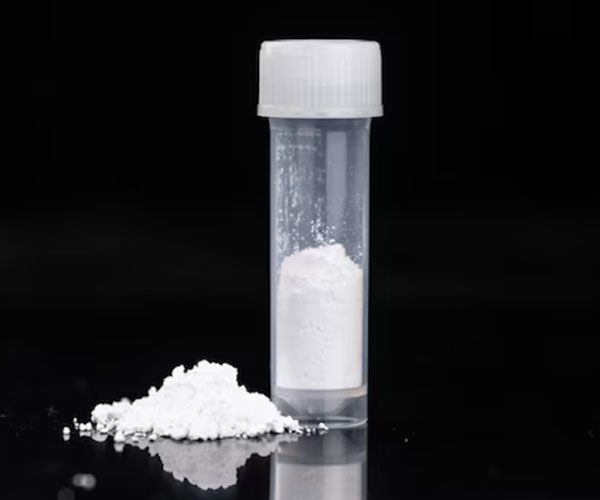
Driving under the influence of cocaine is illegal and highly dangerous. In New South Wales, Australia, driving while impaired by cocaine or any other illicit substance falls under the offence of driving under the influence (DUI) or driving with the presence of a prohibited drug. This is why it’s extremely important to get in contact with our Sutherland drug driving lawyers straight away.
- Fines: The fine amount can vary depending on the specific circumstances of the offence, including factors like drug concentration, previous offences, and other aggravating factors. Fines can range from several hundred dollars to several thousand dollars.
- Licence Suspension/Disqualification: If convicted of driving under the influence of cocaine, your driver’s licence may be suspended or disqualified. The length of the suspension or disqualification will depend on the severity of the offence, previous convictions, and other factors. It can range from several months to multiple years.
- Imprisonment: In more serious cases or for repeat offenders, imprisonment may be imposed as a penalty. The length of the prison term will depend on the circumstances of the offence, but it can range from several months to multiple years.
If you are facing charges related to driving under the influence of cocaine in New South Wales, it is crucial to seek legal advice from one of our qualified drug driving lawyers in Sutherland who can guide you based on your specific case.
Cannabis
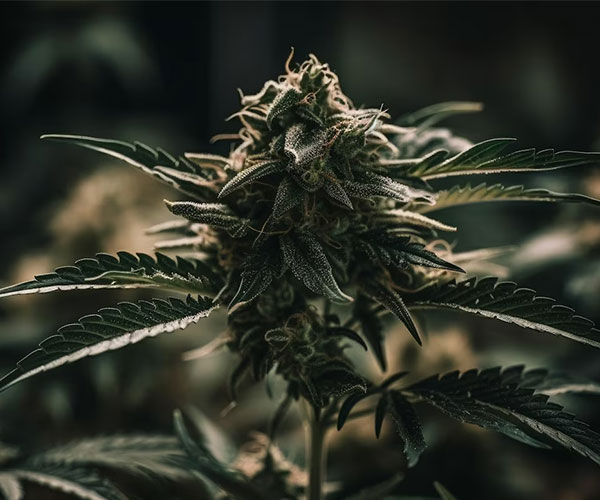
Driving under the influence of cannabis is illegal and unsafe. In New South Wales, Australia, driving while impaired by cannabis or any other illicit substance falls under the offence of driving under the influence (DUI) or driving with the presence of a prohibited drug.
The penalties for driving under the influence of cannabis in New South Wales can include:
- Fines: The fine amount can vary depending on the specific circumstances of the offense, such as the drug concentration, previous offences, and other aggravating factors. Fines can range from several hundred dollars to several thousand dollars.
- Licence Suspension/Disqualification: If convicted of driving under the influence of cannabis, your driver’s license may be suspended or disqualified. The length of the suspension or disqualification will depend on the severity of the offence, prior convictions, and other factors. It can range from several months to multiple years.
- Imprisonment: In more serious cases or for repeat offenders, imprisonment may be imposed as a penalty. The length of the prison term will depend on the circumstances of the offence, but it can range from several months to multiple years.
Methamphetamine
Driving under the influence of methamphetamine or any other illicit substance is illegal and highly dangerous. In New South Wales, Australia, driving while impaired by methamphetamine or any other prohibited drug falls under the offense of driving under the influence (DUI) or driving with the presence of a prohibited drug.
The penalties for driving under the influence of methamphetamine in New South Wales can include:
- Fines: The fine amount can vary depending on the specific circumstances of the offense, such as drug concentration, previous offenses, and other aggravating factors. Fines can range from several hundred dollars to several thousand dollars.
- License Suspension/Disqualification: If convicted of driving under the influence of methamphetamine, your driver’s license may be suspended or disqualified. The length of the suspension or disqualification will depend on the severity of the offense, prior convictions, and other factors. It can range from several months to multiple years.
- Imprisonment: In more serious cases or for repeat offenders, imprisonment may be imposed as a penalty. The length of the prison term will depend on the circumstances of the offense, but it can range from several months to multiple years.

Get in Touch With The Best Lawyers
Our lawyers at Criminal Law Group regularly appear in the Local and District Court representing clients for drug and traffic offences.
 1300 CRIM LAW
 Book a Free Consult
 1300 274 652
 BOOK NOW