
Key Takeaways
- NSW limits: novice >0-<0.02; special 0.02-<0.05; full low 0.05-<0.08; full mid 0.08-<0.15; full high ≥0.15 (based on BAC at testing).
- A standard drink in Australia is equal to 10 grams of pure alcohol.
- Alcohol goes into the bloodstream and is absorbed by the small intestine within 15 to 30 minutes.
Table of Contents
How Many Standard Drinks To Drive
Every state in Australia has its drink-driving laws. Let us look at the legal limits and penalties in New South Wales (NSW), Victoria, and other parts of Australia:
In New South Wales (NSW):
- The blood alcohol concentration (BAC) limit is 0.05%.
- NSW does not set the drinks limit; offences depend on the measured BAC and driver class.
- Special-category drivers (e.g. heavy vehicles, taxis, buses) have a 0.02 BAC limit.
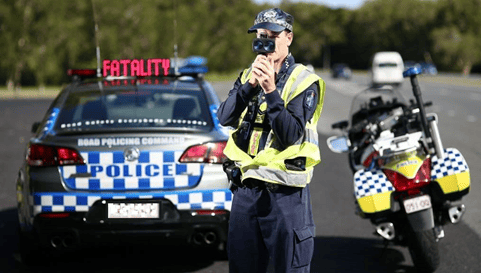
- For a first low-range PCA offence (0.05-0.079), police can issue an on-the-spot fine of $704 and an immediate 3-month licence suspension.
- If you choose to go to court, or if it is a repeat offence, the penalties are heavier, the court can impose a fine of up to $2,200, and a disqualification period between 3 and 6 months.
- Repeat low-range PCA offences are dealt with by the court and may also attract mandatory alcohol interlock orders.
- Repeat alcohol-related mid and high-range offences attract mandatory interlock orders. Periods depend on BAC level and prior history.
In Victoria:
- The legal BAC limit for fully-licenced drivers is under 0.05. 0.99 BAC applies to learners, P-platers and certain professional drivers.
- Though the Victorian Police state that a safe limit could be around 2–3 standard drinks, this is not necessarily set in stone.
- Minimum licence disqualification periods are set by law: 0.05 to <0.10 and the minimum cancellation is 3 months.
- For repeat offences, the penalties would require a longer licence suspension and a higher penalty.
For an Australia-wide comparison, the blood alcohol limit (BAC) is 0.05%. The standard drinking limit, penalties, and fines differ between states and territories. The only difference is the fine incurred and the duration of the licence being suspended.
Why To Understand The Legal Limits For Driving After Consuming Alcohol
It is important to understand the legal limits for driving after consuming alcohol. This is important to ensure safety, as the legal limits differ depending on the type of licence and vehicle.In NSW, full-licence drivers commit a low-range PCA offence from 0.05-<0.08. Novice drivers have a 0-<0.02 limit and special-category drivers 0.02-<0.05.
You will need to understand the concept of standard drinks to determine the legal limits. Therefore, a standard drink would be:
- 285 ml full-strength beer (~5%) = 1 std
- 375 ml mid-strength beer (~3.5%) = 1 std
- 100 ml wine (~12%) = 1 std
- 30 ml spirits (40%) = 1 std
So, if a person decides to consume different types of drinks, it will impact their BAC level. You will also need to factor in age, sex, weight, and metabolism, which might influence the rate at which the body processes alcohol. Thus, it would be difficult to know how many types of standard drinks a person may consume to reach the legal limit. Here are some general guidelines that may help:
- 2 – 3 standard drinks could bring your BAC to 0.05 – 0.08.
- 4–5 standard drinks could bring your BAC to 0.10–0.15 or higher.
It is important to understand the legal limits for consuming alcohol because:
- It helps individuals decide how much they could consume before driving.
- It reduces the risks of accidents and injuries.
- Aids you to stay compliant with the law.
- It allows you to be responsible and to stay safe on the road.
It is important to understand the legal limits and how many drinks one may have before driving:
- Most times, even slight dosages of alcohol could impair driving and enhance the risk of accidents.
- Factors like liver function, gender, food consumption, and metabolism could affect the rate of alcohol absorbed in the bloodstream.
- A single drink could impair the BAC level due to the type of drink, the drink size, and other individual factors.
How Can You Calculate How Many Standard Drinks You’ve Consumed?
A standard drink in Australia would be around 10 grams of alcohol. Here’s a method to calculate the number of standard drinks a person can consume:
Check the label, look at the number of standard drinks on the packaging, and determine the volume of the drink. Once that is done, search for the alcohol by volume (ABV) on the label. You could also use an online calculator that requests the ABV of your drink and provides the number of standard drinks you may consume.
- DrinkWise standard drink calculator.
- Standard drinks calculator.
What Is A Standard Drink
A standard drink in Australia contains 10 grams of pure alcohol. Typical examples are:
- 285 ml full-strength beer (~4.8–5% alcohol) = 1 standard drink
- 375 ml mid-strength beer (~3.5%) = 1 standard drink
- 100 ml wine (~12%) = 1 standard drink
- 30 ml spirits (40%) = 1 standard drink
Beer, wine, and spirits have different alcohol percentages, and it will affect the amount of standard drinks consumed.
Got caught with drunk driving? We are here to help!
It is a serious offence to be caught for drink driving. We, at Criminal Law Group, specialise in assisting those who have been charged with drunk driving offences.
Hire a lawyer now!
How Many Drinks Does It Take To Be Over The Legal Limit?
In NSW, the legal blood alcohol concentration (BAC) limit for full licence holders is under 0.05. For novice drivers, including learners and provisional drivers, the limit is zero. For special category drivers such as bus, taxi, and heavy vehicle drivers, the limit is under 0.02.
There is no fixed number of drinks that guarantees you will be under the legal limit. How alcohol affects your BAC varies with weight, age, sex, body type, food intake, health, metabolism, and how quickly you drink.
Health authorities sometimes note that, on average, a person may process about one standard drink per hour. This is only a very general guideline and not a legal measure.
As a general guide only:
- For many men, 2 to 3 standard drinks within the first hour may be enough to reach 0.05.
- For many women, 1 to 2 standard drinks may be enough to reach 0.05.
Important disclaimer: These are rough guides. There is no safe number of drinks that guarantees you will stay under 0.05. The law only cares about your measured BAC at the time of testing, and even small amounts of alcohol can impair driving. Two people who drink the same amount can record different BAC levels.

How Many Standard Drinks Can You Have Per Hour And Drive Safely?
The standard guidelines state that a person can safely drive after consuming the following number of drinks per hour:
- For men, it is 2 standard drinks in the first hour.
- For women, it is 1 standard drink in the first hour.
So, it is better to just have 1 standard drink an hour to have a BAC that is below 0.05%. However, even one drink per hour has its limits because of:
- An individual metabolic rate.
- The rate at which the individual is consuming alcohol.
- Tolerance to alcohol.
Drinking over time can affect one’s ability to drive legally because:
- Having multiple drinks can lead to a higher BAC.
- Small amounts of alcohol can impair judgement, coordination, and the risk of accidents.
- Driving with a PCA at or above the applicable limit of 0.05 is an offence; police can immediately suspend your licence (e.g., 3 months for a low-range penalty notice) and/or start court proceedings.
Looking for something that is tailored to your needs?
We provide tailored legal strategies to meet your specific needs.
Get to know us
Tips For Staying Under The Legal Limit While Drinking
Let’s examine some strategies for adhering to the legal limit of 0.05 BAC while drinking.
- Alternate between alcoholic or non-alcoholic drinks at a slow pace. For instance, you could alternate between alcohol and water or juice to reduce the rate of BAC rise.
- Consuming food while drinking would slow down the rate of BAC.
- Be mindful that the type of drink and size do not exceed the daily limit.
- Women normally have a lower tolerance to alcohol compared to men.
- Ensure that you have a designated driver when consuming above the legal limit.
- Be aware of medications or menstrual cycles that might influence your BAC limit.
How Many Beers Can You Have Before Driving?
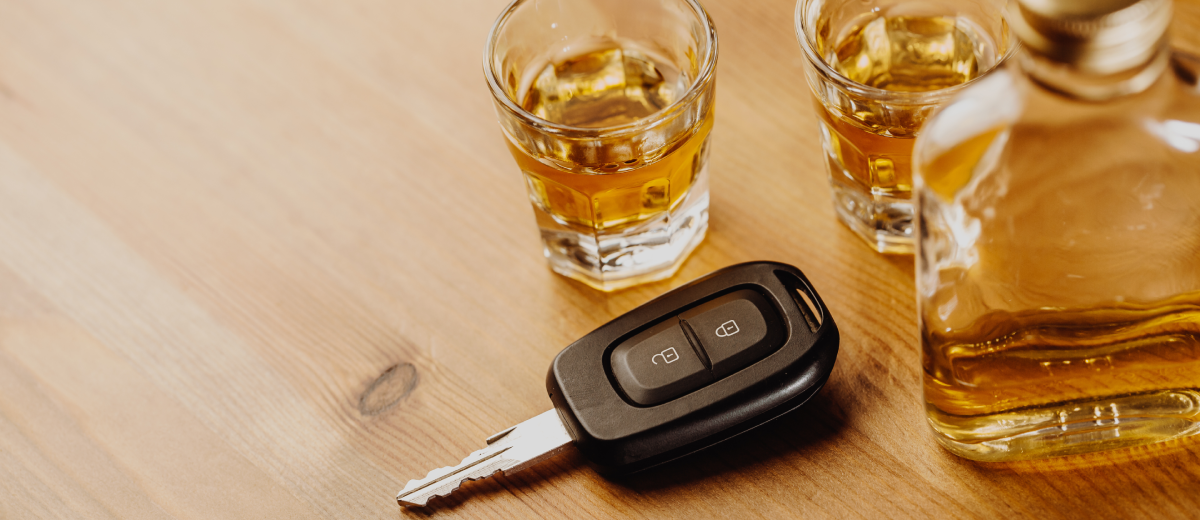
To understand how many beers one can have before driving in 2026, focus on the beer’s size and alcohol percentage, not a fixed number of “beers,” especially as police, insurers, and courts continue to focus on measured BAC rather than rough drink counts.
- Light beer (≤3.5% ABV, 375 ml can/stubby): about 0.8–1 standard drink
- Mid-strength beer (~3.5% ABV, 375 ml can/stubby): about 1 standard drink
- Full-strength beer (~4.8–5% ABV, 285 ml serve): about 1 standard drink.
Important disclaimer: Even if a serving equals “1 standard drink,” the number of beers it takes to reach a BAC of 0.05 varies widely with body weight, sex, food intake, time, and metabolism. For some people, two beers can put them over the limit, while for others it may not. The law only cares about your measured BAC, not how many beers you think you have had. Glass names vary by state, so rely on millilitres and ABV rather than the label.
What Are The Legal Consequences Of Driving Over The Limit
There are severe legal consequences for individuals who have a high blood alcohol concentration (BAC) limit. This would result in fines, suspension of licences, and possibly imprisonment. It is also important to understand why criminal laws are written into statutes. This is dependent on the severity and penalties of the states and territories.
Generally, the BAC limit is 0.05%. However, each state is known to have its own laws and penalties for drinking and driving. For example:
Victoria:
- A low-range drinking offence would mean that the individual has a BAC level above 0.05 and below 0.07. This would cause a licence suspension of 3 months.
- For a higher offence, this would mean that the person has a BAC of more than 0.07. This would result in fines ranging from around AUD 2000, a licence suspension of around 6–12 months, and possible prison time. Again, this depends on the state, and the penalties and fines may vary.
Western Australia:
- Second or any offences after the first could lead to a fine of up to AUD 2000, a 6-month licence suspension, and possible imprisonment of up to 9 months or more. For those who are third-time offenders, improvised sentences may last around 18 months.
New South Wales & Queensland:
In NSW, penalties depend on your BAC range was and whether and whether it is a first or repeat offence:
- Low-range PCA (0.05 to 0.079): On-the-spot $704 fine and 3-month suspension. If dealt with in court, penalties can be up to a $2,200 fine and a 6-month disqualification.
- Mid-range PCA (0.08 to 0.149): Up to a $2,200 fine, 6 to 12 months disqualification, mandatory interlock program, and up to 9 months in prison.
- High-range PCA (0.150 and above): Up to a $3,300 fine, 12 to 24 months disqualification, mandatory interlock program, and up to 18 months in prison.
- Repeat offences: Harsher fines, longer disqualification periods, and longer interlock requirements.
If you are charged, seek legal advice promptly. A criminal defence lawyer can explain your likely penalty range, interlock obligations, and options in court.
South Australia:
- Fines for drunk driving could range from $500 to $2000, depending on how severe the offence is. Moreover, demerit points may be incurred and this would cause suspension or termination of the licence.
Long-term impacts on insurance premiums may cause:
- Higher insurance rates and negative impacts on driving records This may range from suspension to termination of license.
If you are having legal issues regarding drink driving, you may contact Criminal Law Group, Australia. They are experienced in aiding and guiding you through legal processes that include higher premiums, refusal to insure, or cancellation in some cases, in your state. Do not let a traffic offence taint your insurance premium and drinking record You can also learn about 3 ways to defend yourself against traffic offences. We provide free consultation services and thus, it would be good to know how to prepare for consultation at a criminal law firm.
Reduce drunk driving penalties. Get a lawyer today.
If you have been charged with drinking and driving, then you will require a lawyer who is experienced by your side. Our team of lawyers has a winning rate in defending our clients.
Book a free consultation!
How Long After Drinking Can You Drive Safely?
In NSW, there is no set timeframe that guarantees your blood alcohol concentration (BAC) will return to zero. The only legal measure is your recorded BAC at the time you are tested. Roadside screening and evidentiary tests assess your BAC at that moment, not what a chart or estimate predicts.
On average, the body processes alcohol at about one standard drink per hour. This is only a broad average. Actual clearance varies widely with body size, sex, food intake, health, liver function, medications, drinking pattern, and metabolism. Your BAC can also keep rising for a while after your last drink, especially if you drank quickly or on an empty stomach.
Because of this variation, do not rely on fixed rates such as “X hours for Y BAC.” These are rough guides at best and are not guaranteed. Rest and sleep do not reliably speed up alcohol elimination.
Safer practice: If you have been drinking, do not drive. Plan alternative transport, give yourself far more time than you think, and remember that after heavy drinking you may still be over the limit the next morning.
Here’s a standard guideline to ensure that BAC drops to 0:
- For a BAC of 0.08%, you will need to wait around 5.5 hours for alcohol to fully metabolise.
- For a BAC of 0.10%, you will need to wait around 6–7 hours for alcohol to fully metabolise.
- For a BAC of 0.16%, you will need to wait at least 10–12 hours for alcohol to fully metabolise.
What Happens If You Drink And Drive Under The Legal Limit
Generally, the legal limit would warrant a BAC of less than 0.05%. It is important that even at these low levels, alcohol can still affect an individual’s ability to drive and increase the risk of accidents.
Even at low levels, alcohol can slow down reaction times and impair concentration and attention.
We are dedicated to assisting in drunk driving penalties!
Been caught drinking and driving? We are here to provide the best representation to defend your rights.
Contact us today!
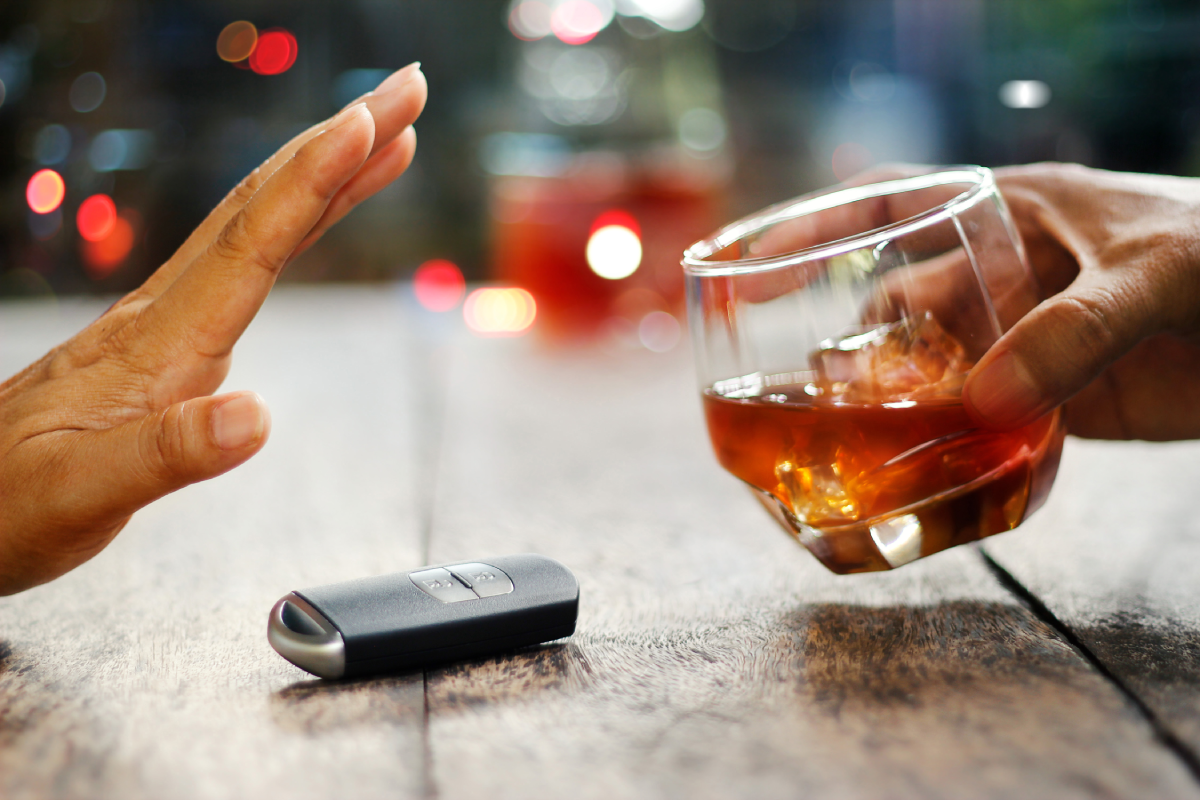
Is It Safe To Have Two Drinks And Drive?
In NSW, there is no guaranteed number of drinks that will keep you under the legal limit. The law relies only on your measured blood alcohol concentration (BAC).
- For full-licence drivers the limit is under 0.05.
- For learners and provisional drivers the limit is zero.
- For special category drivers such as bus, taxi and heavy-vehicle drivers, the limit is under 0.02.
Some people may remain under the limit after one or two standard drinks, while others may exceed it due to factors like body size, sex, age, health, food intake and how quickly they drink. Even two drinks could put you over the limit. The safest choice is to avoid driving if you have been drinking at all.














 FREE CONSULTATION
 CALL NOW 1300 274 652

 1300 274 652
 BOOK NOW