


Key Takeaways
- Being released on bail means supervised freedom, not the end of your case or criminal charges.
- Your bail acknowledgement lists conditions and court dates and breaching any condition can lead to arrest and custody.
- Courts assess show cause offences and unacceptable risk, then craft conditions to manage safety, interference and attendance.
- You can apply to change harsh bail conditions, but must keep complying until the court formally changes them.
- Prompt legal advice after release helps protect your record, manage risks and avoid losing bail or security.
Table of Contents
Released On Bail What Happens Next?
In New South Wales, once you are granted bail by police or a court, you will usually be released from the police station or courthouse after signing a bail acknowledgment. This document lists your conditions, your next court date and warnings about what happens if you do not comply. Read it carefully before you leave, keep a copy, and tell a trusted family member or support person the key dates and rules.
In the hours and days after release, focus on safety, contacting a criminal lawyer and organising your life around the conditions. Arrange transport for court, confirm where you will live, set reminders for reporting or treatment, and avoid people or places named in your bail. Early legal advice about possible defences and likely timeframes helps reduce stress and lowers the risk of accidental breaches.
What Does Granted Bail Mean?
Being “granted bail” means a bail authority has decided you can be released from custody on conditions, rather than being kept in jail while your charge is dealt with. In NSW, bail decisions are made under the Bail Act 2013 (NSW), which provides a framework for deciding whether someone should be detained or released, with or without conditions. Bail can be granted by police, an authorised justice, a Local Court, a higher court or the Supreme Court.
Bail is a temporary liberty, not the end of the case. You remain presumed innocent, but you must come back to court and comply with any bail conditions until your matter is finalised or your bail is revoked. If you breach your bail, you can be arrested and brought back before a court, which may tighten your conditions or refuse bail altogether. Understanding that bail is supervised freedom, rather than full freedom, is essential.
Just Released On Bail And Not Sure What To Do?
Bail conditions can be confusing and stressful, especially after a night in custody. Our criminal defence team can explain your obligations, map out likely court timeframes and help you avoid mistakes that put your bail at risk.
Speak To A Bail Lawyer Today
What Are My Options For Release After Being Charged With A Criminal Offence?
After you are charged, there are only a few main options for your release: police can let you go with no bail, grant bail (with or without conditions), or refuse bail so a court decides. The table below summarises these pathways, including when the Local Court or Supreme Court may become involved and how a criminal defence lawyer can assist.
Options For Release After Being Charged In NSW
| Release Option | Who Decides / When It Happens | What It Looks Like In Practice |
|---|---|---|
| Released without bail | Decided by police at the station for minor or first-time matters | You receive a Court Attendance Notice and leave with no bail conditions |
| Granted bail with or without conditions | Decided by police, a magistrate or a higher court | You are released but must comply with written bail conditions |
| Refused bail by police | Initially decided at the station | You are held in custody and brought before a magistrate as soon as practicable |
| Refused bail by Local Court | Decided by a magistrate | You may remain in custody unless a later successful application is made |
| Supreme Court bail application | Used in more serious or complex cases after Local Court refusal | A higher court reviews your case against the specific bail tests |
What Are Bail Conditions And How Do They Work?
Bail conditions manage “bail concerns”, such as the risk you might fail to appear, commit a serious offence, endanger victims or interfere with witnesses or evidence. Under the Bail Act, conditions must be no more restrictive than necessary, workable and reasonably connected to those concerns.
Typical conditions can include:
- Living at an approved address
- Reporting to a police station on set days
- Following a curfew (being at home during certain hours)
- Having no contact (direct or indirect) with certain people
- Staying away from nominated places (such as an address or suburb)
- Not consuming alcohol or illicit drugs
You will usually sign a bail acknowledgment confirming that you understand the conditions and the consequences of breaching them. Some matters also involve a security or surety, where you or another person risks forfeiting money or property if you do not comply. Conditions can sometimes be amended when circumstances change.
Our criminal defence team can represent you at bail hearings, negotiate realistic conditions and, where possible, work towards having charges withdrawn, downgraded or defended so you are not only out on bail but ultimately out of the charge altogether.
Are Your Bail Conditions Too Strict Or Unworkable?
Curfews, reporting and no-contact rules can affect work, family and study. We prepare variation applications, gather supporting material and argue for realistic changes so you can keep your job, care for children and still satisfy the court’s risk concerns.
Get Help To Vary Your Bail
Can You Change The Conditions Of Your Bail?
Yes, in many cases you can ask the court to vary your bail conditions if they are unworkable, too strict, or your circumstances have changed. For example, you may need a curfew relaxed to keep your job, or reporting days adjusted to fit work, study or caring duties. Practical bail guides stress that conditions should be the minimum necessary to address the court’s concerns.
To change conditions, you generally file an application in the court that last dealt with your bail and explain why the variation is needed. The prosecution is entitled to respond and sometimes opposes changes. The court may grant the request, refuse it, or suggest alternative compromises. Having a lawyer prepare supporting affidavits, employer letters and treatment reports can significantly improve your chances of a sensible variation.
What Will The Court Look At When Deciding Whether To Grant Bail?
When deciding bail, the court first checks whether the offence is a “show cause” offence under section 16B of the Bail Act 2013 (NSW). For these serious charges, such as offences punishable by life, some serious personal violence matters, major drug supply, firearms and certain serious sexual offences, the accused must show cause why detention is not justified before the court moves to the general risk test.
Where show cause is satisfied or does not apply, the court considers whether there is an “unacceptable risk” you will fail to appear, commit a serious offence, endanger others or interfere with witnesses or evidence. It weighs factors such as seriousness of the charge, strength of the case, criminal and bail history, community ties, health, age and other vulnerabilities. Depending on that assessment, the court may refuse bail, grant unconditional bail, or impose tailored conditions aimed at addressing specific risks.
Is Being On Bail Serious?
Yes. Being on bail is a serious legal status, not a formality. Your bail acknowledgment will warn you that if you commit an offence while on bail, the court may impose a more severe penalty for the new offence and is less likely to grant bail again. Breaching bail can also lead to additional consequences in some circumstances, separate from any underlying offence.
Practically, being on bail may affect where you can live, who you can contact, whether you can travel and what hours you can leave the house. Police may conduct bail compliance checks where there is a lawful enforcement condition or reasonable suspicion of a breach. Treating bail as “halfway to being cleared” is dangerous because until your matter is finalised, you are effectively on a test period where any slip can have serious consequences.

Do You Get All Bail Money Back?
Where bail involves a money deposit or property security, that money or security is usually returned once the case is finalised or bail is dispensed with, regardless of whether you are found guilty or not guilty, provided you have complied with your obligations. NSW bail materials explain that courts must consider returning bail money and security when bail ends and will generally process refunds electronically after the necessary forms are lodged.
However, if you fail to appear or otherwise breach a condition linked to the security, the court can order that the money or property be forfeited in whole or part. That can seriously affect you and any family member or friend who acted as surety. It is essential to attend every court date and to get advice early if you are struggling to comply, so that you can seek changes rather than risking loss of the security.
What Happens If You Do Not Comply With Your Bail Conditions?
If police believe you have breached your bail conditions, they can arrest you without a warrant and bring you back before a court for a further bail decision. The court may choose to take no action, vary your conditions, or revoke your bail and remand you in custody. Failing to appear at court when required is treated particularly seriously and can lead to additional charges and forfeiture of any bail security.
Repeated breaches or committing new offences while on bail make it much harder to get bail in future, because they suggest that you are an unacceptable risk. The court will look at your history of compliance, the reasons for any breach and whether you took steps to fix the problem quickly. If you realise you have accidentally breached a condition, you should get legal advice immediately and, where appropriate, hand yourself in rather than waiting for police to find you.
What Is A Show Cause Position?
A “show cause” position arises when you are charged with an offence that triggers the show cause requirement under section 16B of the Bail Act 2013 (NSW). In these cases, the starting point is that you should be refused bail unless you can show cause why your detention is not justified. This reverses the usual situation where the prosecution must convince the court that bail should be refused.
Show cause offences include, among others, offences punishable by life imprisonment, serious personal violence offences in some circumstances, certain serious drug supply or manufacture offences, some firearms offences and serious indictable offences allegedly committed while on bail or parole. To show cause, defence lawyers often rely on factors like weak prosecution evidence, significant delay before trial, strong sureties, intensive supervision options and compelling personal hardship if remanded in custody.
Do You Have To Submit To Being Fingerprinted And Photographed?
In NSW, if you are under arrest for an offence punishable on indictment or summary conviction, police generally have power under the Crimes Act 1900 (NSW) to take your fingerprints and photographs for identification purposes. Adults in lawful custody will usually be required to submit, although police normally need a court order to fingerprint or photograph a child under 14. Refusing to cooperate can lead to reasonable force being used or separate offences in some situations.
If you are later found not guilty or your charge is withdrawn, you can usually ask police to destroy your identifying particulars. Different police forces have policies about how and when this is done, so it is wise to get legal advice and make a written request. Having prints and photos on file does not prove guilt but can have privacy implications, so understanding your rights is important.
Facing Show Cause Bail In The Local Or Supreme Court?
Serious charges place you in a tougher “show cause” position. We build detailed bail proposals, address risk factors, line up sureties and treatment plans, and present focused submissions aimed at securing release wherever the law and evidence allow.
Prepare A Strong Bail Application Now
How Long Can You Be Detained At The Police Station After Arrest?
Under section 115 of the Law Enforcement (Powers and Responsibilities) Act 2002 (NSW), the maximum “investigation period” after arrest is generally six hours, not counting certain “time out” periods such as waiting for a lawyer, medical treatment or rest breaks. This period can be extended by a detention warrant for up to another six hours in appropriate cases, after which police must either release you or bring you before a court as soon as practicable.
During this time, police may interview you, take statements, conduct identification procedures, and consider what charges, if any, to lay. You generally have the right to speak with a lawyer before deciding whether to answer questions. Once you are charged, the focus shifts to whether you will be released, granted bail with conditions, or kept in custody to appear at court.
How Does Understanding Drug Driving Relate To Bail Conditions?
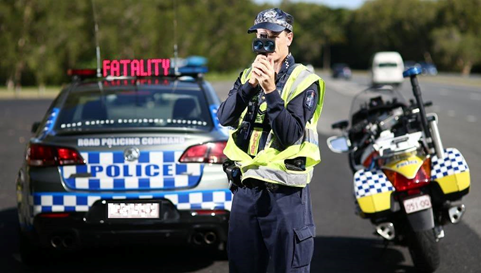
Drug driving and drink driving charges often lead to bail conditions aimed at protecting road users and reducing the risk of reoffending. Courts and police may order you not to drive, not to consume alcohol or illicit drugs, to comply with random breath or drug tests, or to engage in treatment. These conditions are especially common after high-range PCA, serious injury or repeat behaviour.
Understanding how drink and drug driving laws work helps explain why these conditions are taken seriously. Driving with a prescribed concentration of alcohol or an illicit drug present is treated as a significant road-safety risk and attracts heavy penalties, even for first offenders. If you breach a “no driving” or abstinence condition while on bail, the court may treat you as an unacceptable risk. Clear legal advice and support with treatment can help you comply and present more favourably at future bail or sentencing hearings.





















































 FREE CONSULTATION
 CALL NOW 1300 274 652

 1300 274 652
 BOOK NOW