


Key Takeaways
- DUI means driving while affected by alcohol, drugs, or medication to an unsafe level.
- Australia uses different labels, including PCA drink driving and drug presence or impairment offences.
- Cases often rely on objective evidence: breath analysis, blood tests, oral fluid tests, video, and police observations.
- Consequences can include licence loss, fines, interlocks, and a record for serious categories.
- Refusing tests can be a serious offence with heavy penalties.
- Defences often focus on identity, control of the vehicle, procedure, and test reliability.
- Early steps matter: preserve your timeline and get advice before detailed statements.
Table of Contents
What Is A DUI?
DUI is shorthand for driving under the influence, but in 2026 it is still important to understand that NSW charges are usually framed under specific drink-driving or drug-driving offences rather than the broad overseas shorthand. It usually refers to driving while your ability is affected by:
- Alcohol
- Illicit drugs
- Prescription medication
- Over-the-counter medication that impairs alertness
- A combination of substances
A DUI-style allegation does not always require a crash. Police can charge a person based on testing results or observed impairment even if nobody was hurt and no property was damaged. Courts treat DUI-style conduct seriously because impaired driving increases crash risk, increases severity of harm, and puts other road users at risk.
The exact legal definition depends on the jurisdiction. Some offences are based on a numerical threshold ( an alcohol concentration above legal limit). Other offences focus on impairment, which means the prosecution must prove you were actually affected to a level that made you unsafe to drive.
What Is The Legal Definition Of A DUI?
DUI is common shorthand, but legally it only means what a statute says it means. In many jurisdictions, DUI is an impairment-based offence. The prosecution must prove alcohol, drugs, or both affected the person’s driving ability to a defined legal threshold. This is different from “over-the-limit” offences, which rely on a reading such as blood alcohol concentration (BAC) or breath analysis result.
DUI is about impairment, not just numbers. You can be under the general BAC limit and still be charged if impairment is proved. You can also be over the prescribed BAC limit and be charged even if you appear “fine”. Many DUI-style offences are treated as conduct offences, meaning the prosecution does not need to prove a crash, injury or damage.
Charged With A DUI Or Drink Driving Offence?
Get clear advice on what police must prove, what the test results mean, and what penalties are realistic before your first court date. We explain your options in plain English.
In New South Wales, What Is Considered DUI Under The Law?
In NSW, the offence commonly referred to as “DUI” is in the Road Transport Act 2013 (NSW) section 112. In substance, it prohibits using or attempting to use a vehicle while under the influence of alcohol or any other drug, where the person is incapable of having proper control of the vehicle. The prosecution must prove impairment to that legal threshold, not merely that a substance was consumed.
“Driving” is not always required. Section 112 covers driving, but it also covers occupying the driving seat and attempting to put the vehicle in motion. It can also apply to a fully licensed driver supervising a learner driver from the passenger seat in certain circumstances.
NSW road safety guidance also makes clear that police can stop drivers and conduct random breath tests, including after a crash, and refusing a breath or blood test can be a separate offence with serious consequences. For drug-related impairment, police can use roadside saliva testing for certain illicit drugs, and they may conduct a sobriety assessment if they suspect drug impairment. Failing that assessment can lead to arrest and hospital-based blood and urine sampling.
Evidence is usually built from a combination of roadside observations, driving manner, footage (body-worn video, dashcam, CCTV), witness accounts, timelines, and any admissions or medical material that supports or challenges impairment. For this reason, the case often turns on the reliability and completeness of what was recorded, not one single test result.
Promptly request police disclosure, including body-worn video and station records, because early preservation can prevent avoidable evidence gaps.
Why Is Driving Under The Influence Illegal?
DUI laws exist because impaired driving increases crash risk and the severity of harm when crashes occur. Alcohol and many drugs can slow reaction time, reduce attention, distort judgment, and increase risk-taking. Even mild impairment can matter in real traffic conditions.
The law also reflects the duty of care drivers owe to other road users. DUI offences aim to prevent predictable harm by deterring unsafe driving choices and enabling enforcement before a serious crash occurs.
If you are facing a DUI charge, we can represent you in court, test the prosecution case, advise on defences and negotiation options, and prepare a strategy for the best available outcome.
Difference Between DUI And DWI Charges
“DWI” (driving while intoxicated or impaired) is used mainly in the United States, and its meaning depends on the state. In some places, DUI is broader and DWI is used for higher BAC levels. In others, the terms overlap or one term is not used at all.
For Australian readers, the key is not the label but the precise offence wording and what must be proved under the relevant state or territory legislation.
Need To Keep Your Licence For Work Or Family?
We prepare tailored material, negotiate where appropriate, and argue for the most lenient outcome available, including disqualification minimisation and interlock planning where the law allows.
What Is A DUI Called In Australia And NSW?
Australia does not use a single national “DUI” label. People commonly say “drink driving” or “drug driving,” while legislation refers to PCA offences (prescribed concentration of alcohol), “driving under the influence,” “driving with a prescribed illicit drug present,” or combined alcohol and drug offences.
In NSW practice, people often say “DUI” to describe the section 112 offence, but charge sheets and court documents may use the legislative wording. The label matters because it affects what must be proved and what evidence is most important.
Common NSW impaired-driving labels and what they usually mean
| Label people use | What it usually refers to in NSW | Core idea | |
|---|---|---|---|
| DUI | Road Transport Act 2013 (NSW) s 112 | Impairment to the point of being incapable of proper control | |
| PCA drink driving | Road Transport Act 2013 (NSW) PCA provisions | A measured BAC/BrAC within a defined range | |
| Drug driving (presence) | Road Transport Act 2013 (NSW) drug-presence provisions | A prescribed illicit drug detected, even without proven impairment | |
| Combined alcohol and drug | Road Transport Act 2013 (NSW) combined offences | Both alcohol and drug components, often treated as more serious |
Is A DUI A Criminal Conviction In Australia?
In Australia, DUI-style offences are prosecuted in criminal courts (most commonly the Local Court or Magistrates Court). They are not just “administrative” rule breaches. Courts can impose penalties including disqualification, fines, and imprisonment in serious cases.
People sometimes describe these as “traffic offences,” but if a court records a conviction, it is still a conviction and can carry long-term consequences.

Does A DUI Go On Your Criminal Record In Australia?
A DUI can appear on your criminal record if it results in a conviction. A charge is not the same thing as a conviction. If the matter is dismissed or finalised without a conviction being recorded (where a non-conviction outcome is legally available), the long-term record impact can be very different.
Even where a conviction is recorded, spent convictions schemes can limit disclosure after a crime-free period, subject to exceptions. The detail differs across jurisdictions and can depend on the type of check requested.
Does A DUI Show Up On A Police Check?
Police checks are commonly used for employment, licensing, visas, and volunteer screening. Whether a DUI shows up depends on the type of check, whether there was a conviction, and whether any spent convictions scheme applies. Some regulated roles treat driving offences as directly relevant.
As a practical risk assessment, if you are convicted of a DUI-style offence, assume it may be disclosed on a police check for at least some period.
It is also important to distinguish convictions from pending matters. Some standard checks focus on final outcomes, while other screening processes (especially licensing or regulated roles) may require you to disclose current charges, court dates, or licence sanctions even before your case is finalised.
Difference Between DUI And PCA Offences
In NSW, DUI and PCA offences are separate because they target different risks and require different proof. PCA offences are measurement-based. DUI is impairment-based.
PCA is about whether your BAC or breath reading falls within a prescribed range, regardless of whether you look impaired. DUI is about whether alcohol or drugs affected you to the level that you were incapable of having proper control, even if there is no BAC figure relied on. A person can also face both types of allegations from the same incident, depending on evidence and charging choices.
DUI vs PCA in NSW
| Issue | DUI (impairment-based) | PCA (measurement-based) |
|---|---|---|
| What must be proved | Impairment to the legal threshold (incapable of proper control) | A BAC/BrAC reading within a prescribed range |
| Key evidence | Observations, driving manner, admissions, context | Breath or blood analysis, procedure compliance, timing |
| Can apply below 0.05? | Yes, if impairment is proved | No, because it is defined by ranges |
| Can I apply without a reading? | Often yes, depending on evidence | Usually no, because the reading is central |
| Typical framing | “Unsafe to drive due to influence” | “Over the legal limit” |
PCA ranges are typically described by bands (for example, low, mid, and high range), and some drivers are subject to a zero limit. DUI does not depend on which band applies. It depends on whether the evidence shows loss of proper control due to alcohol or drugs.
Drug Driving Allegation After A Roadside Test?
Drug driving cases often turn on procedure, timing, and evidence handling. We help you understand what is being alleged and how to protect your position early.
What Substances Can Lead To A DUI Charge?
DUI is not limited to alcohol. In NSW it can be based on alcohol, illicit drugs, prescription medications, or combinations. Substances linked to impairment-based allegations commonly include alcohol, cannabis, stimulants (such as cocaine or methamphetamine), sedatives and sleeping pills, and opioid pain medicines, particularly where they affect alertness, coordination, or reaction time.
NSW also has presence-based drug driving offences for certain illicit drugs, where detection can be enough even without proven impairment. That is why it is important to identify exactly what offence is alleged.
What Is The Blood Alcohol Concentration Limit In DUI Cases?
BAC measures the concentration of alcohol in blood and is often estimated through breath analysis. In NSW, legal BAC limits depend on licence type and vehicle type. NSW Government guidance sets a zero BAC requirement for learner and provisional drivers, a general limit of under 0.05 for most unrestricted licence holders, and a lower limit of under 0.02 for certain higher-risk categories.
The under 0.02 category commonly applies to drivers of public passenger vehicles (such as buses, taxis, rideshare and hire cars), heavy vehicles over 13.9 tonnes, vehicle and trailer combinations over 13.9 tonnes, and dangerous goods vehicles.
NSW BAC limit snapshot (check your licence category)
| Driver category | Common NSW BAC limit | Practical meaning |
|---|---|---|
| Learner and provisional (P1/P2) | 0.00 | Any detectable alcohol can breach the limit |
| Most unrestricted licence holders | Under 0.05 | Must remain below the general limit |
| Some professional/heavy vehicle categories | Under 0.02 | Lower limit due to higher duty and vehicle risk |
BAC is not required to prove a DUI offence in NSW. DUI focuses on impairment and control, not a specific BAC range.
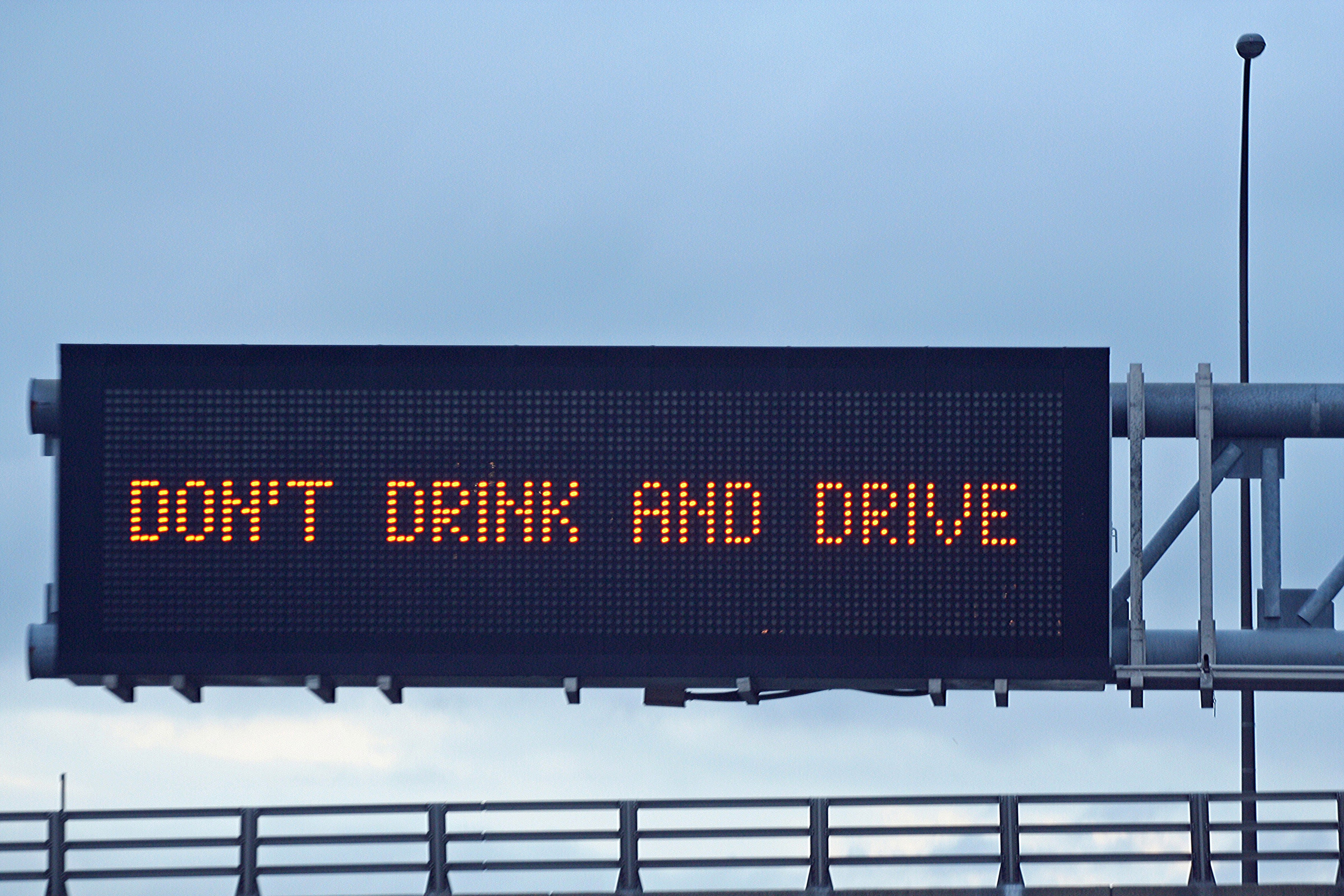
What Does Incapable Of Having Proper Control Mean In DUI Law?
“Incapable of having proper control” describes impairment that materially affects safe driving ability. Courts look at the whole picture, not a single sign. Evidence may include erratic driving, poor lane control, delayed braking, unsteadiness, slurred speech, disorientation, or inability to follow instructions.
Defence issues can include whether the signs have another explanation such as fatigue, injury, medical conditions, language barriers, or shock after an incident, and whether the available records capture the full context.


















































 FREE CONSULTATION
 CALL NOW 1300 274 652

 1300 274 652
 BOOK NOW