
Key Takeaways
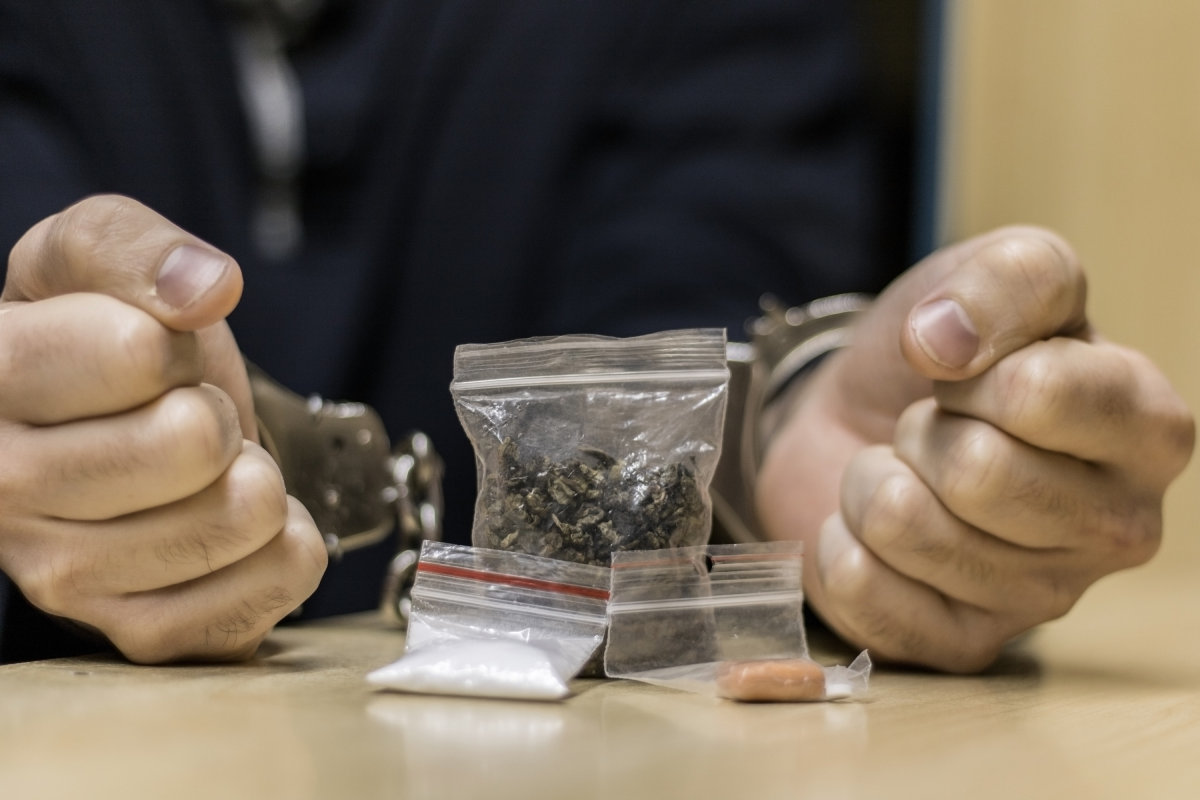
- NSW has two main drug driving offences that first offence drivers encounter most often: driving with the presence of a prescribed illicit drug in oral fluid, blood or urine and the separate offence of driving under the influence (DUI) of alcohol or any other drug if impairment is alleged.
- For the presence offence, first offences are commonly finalised by a penalty notice and a Transport for NSW suspension. Paying a penalty notice does not record a court conviction although the suspension still applies.
- Roadside drug testing involves an initial saliva screen, a secondary roadside test and a laboratory confirmation. You must not drive while awaiting results.
- Maximum court penalties for a first presence offence include a fine up to $2,200 and licence disqualification periods set by law. There is no prison term for the presence offence. DUI carries heavier maximums, including possible imprisonment.
- Courts can, in suitable cases, deal with a first offence without recording a conviction.
- A new category of combined drink and drug offences commenced in 2021 and brings harsher penalties than single substance offences.
Table of Contents
First Offence Drug Driving NSW
A ‘first offence’ generally means you have not been convicted of another alcohol or other drug-related driving offence within the previous 5 years. This 5-year window is set out in the Road Transport Act which guides how first and subsequent offences are treated.
What police commonly detect on the roadsides are the prescribed illicit drugs that NSW tests for via oral fluid screening. These typically include THC from cannabis, MDMA, Methylamphetamine and Cocaine. If any are detected, police move through a set process that can end in either a penalty notice or a court attendance notice depending on the circumstances and discretion exercised.
Two offences are important to distinguish:
- Presence offence: Driving with a prescribed illicit drug present in oral fluid, blood or urine is a ‘fine-only’ offence if dealt with as a ‘presence’ matter and carries no imprisonment, but does include fines and disqualification if convicted in court.
- DUI (Driving Under the Influence) Offence: Using or attempting to use a vehicle while under the influence of alcohol or any other drug. This targets impairments and has heavier maximum penalties, including possible imprisonment on the first offence.
What Are The Penalties For A First Offence Of Drug Driving NSW?
For a first presence offence, police often issue a penalty notice after confirmation of the lab results which brings an on-the-spot fine and an administrative suspension by Transport for NSW. The current NSW government guidance explains that a standard penalty notice for drug presence comes with a 3-month licence suspension when dealt with by penalty notice and the offence may otherwise be taken to court where maximum fines and court-ordered disqualifications apply.
If the matter goes to court for a first presence offence, the local court may impose:
- A maximum fine of up to $2200
- A disqualification period within the legislated range noting the court can set a period between the minimum and unlimited maximums provided in the table of the NSW penalties page
- For a first DUI offence, the NSW penalties page sets out heavier maximums that include up to 18 months imprisonment, larger fines, and longer disqualification ranges
Whether a criminal conviction is recorded depends on how the matter is finalised. Paying a penalty notice does not record a court conviction while a matter determined in court can result in a conviction unless the magistrate makes a non-conviction order such as a section 10 dismissal or a conditional release order without conviction.
Worried About A First-Time Drug Driving Charge?
Our traffic lawyers explain your options and help you protect your licence and your record.
Contact Now to Book Your Personalised Strategy
What Happens If You Get Caught Drug Driving In NSW?
Here is a typical sequence after a roadside stop:
- Initial oral fluid screen: If negative, you are usually allowed to leave. If positive, police carry out a secondary roadside test.
- If the secondary test is positive, a laboratory sample is taken for confirmation. You are told you must not drive while awaiting lab results.
- If the lab confirms the presence of a prescribed illicit drug, you may receive either: a penalty notice with a suspension or a court attendance notice.
In many first offence presence cases, police choose the penalty notice pathway. If there are aggravating circumstances, a crash or evidence suggesting impairment, police may proceed with DUI instead, which is a court charge.
This is what to expect immediately:
- You may be directed not to drive while awaiting results
- If a penalty notice is issued after confirmation, Transport for NSW will suspend your licence
- Your options include paying the penalty, seeking an internal review or electing court.
What Happens If You Test Positive For Drugs While Driving In NSW?
A positive first screening does not itself establish the offence. The laboratory confirmation is the key step. The NSW Government Guidance states that after a roadside positive and a repeated test, a sample goes to the lab, and you must not drive while awaiting the results. If confirmed, you are then charged or fined accordingly.
The presence offence is about detection not intoxication. Time since use, body composition and frequency of use can affect detection windows. NSW Legal Aid notes that some drugs can be detected for a long time after use and each person’s window can vary. That is why legal advice is sensible even for first-time drivers who feel fine.
Need Advice After a Positive Roadside Drug Test?
Get step-by-step guidance on what happens next and how to respond the right way.
Talk To Our Expert Lawyer Now
What Happens If I Fail A Roadside Drug Test?
If you fail a roadside drug test:
- Police conduct a secondary test and then arrange a lab analysis.
- You may be prohibited from driving while waiting for lab results.
- If confirmed, you may receive a penalty notice and suspension, or you may be required to attend court.
Where police suspect impairment, or there has been a crash, they may consider a DUI charge under section 112, which is different to the presence offence and is always a court matter.
Do You Have To Go To Court For Drug Driving In NSW?
Not always. Presence matters for a first offence are often finalised by penalty notice. If you pay, you avoid a court conviction but still serve the suspension. You can elect to take a penalty notice to court. If you do, the court can dismiss the charge, record no conviction under Section 10, or convict and impose a fine and disqualification.
DUI cases are different. They are court charges by their nature and carry heavier potential penalties on a first offence. Talk to our traffic lawyers.

How To Beat A Drug Driving Charge NSW Penalty?
Every case turns on the facts and the paperwork. Common avenues lawyers explore include:
- Testing procedure: Schedule 3 to the Road Transport Act sets out strict testing and analysis procedures. If the process was not followed properly, evidence may be excluded.
- Identity and continuity: issues with who provided the sample or chain of custody to the lab can be relevant.
- Honest and reasonable mistake of fact: strict liability offences can attract this defence in limited scenarios, but it is fact specific. Legal advice is essential here
- Negotiation: if impairment is alleged, resolution as a presence offence under section 111 may be possible depending on the evidence.
- Non-conviction outcomes: even if you plead guilty, a Section 10 dismissal or Conditional Release Order without conviction may be available in suitable first-offence cases.
Is Drug Driving A Criminal Offence NSW?
Yes. Both the presence offence and DUI are criminal offences under the Road Transport Act. Whether a conviction appears on your criminal record depends on the outcome. Paying a penalty notice avoids a court conviction. A court finding of guilt can result in a conviction unless the court uses Section 10 to avoid recording one. Legal Aid NSW also explains that courts draw on both your criminal record and your driving record in future sentencing, which is one reason first-offence preparation matters.
Want The Best Outcome For a First Offence?
We prepare strong submissions to minimise penalties and, where possible, avoid a conviction.
Get Expert Legal Help Today
Drug Driving Charges NSW
Drug driving in NSW is prosecuted under several different offence types, depending on what police allege. Some charges focus purely on the presence of drugs, while others target actual impairment or mixed drink-and-drug use. The table below summarises the main provisions drivers are likely to hear about.
| Offence type | Legal description / basis | Typical use in practice | Penalty emphasis |
|---|---|---|---|
| Presence offence | Presence of certain drugs other than alcohol in oral fluid, blood or urine under the Road Transport Act | Mostly common for first-time drivers after a roadside test and lab confirmation of an illicit drug. | Focus on deterrence and licence consequences, even without proven impairment. |
| DUI (driving under the influence) | Use or attempted use of a vehicle under the influence of alcohol or any other drug | Used when police allege noticeable impairment based on driving, behaviour, or physical signs. | Higher penalties reflect proven impairment and increased road-safety risk. |
| Combined drink and drug offence | Combined drink and drug offences introduced in 2021 (PCA + positive drug test) | Charged where a driver both exceeds a PCA range and tests positive for an illicit drug. | Tougher penalties than single-substance offences, reflecting compounded risk. |
What Is The Minimum Penalty For Drug Driving In NSW?
For a first presence offence:
- If dealt with by penalty notice, NSW guidance explains you receive a fixed fine and a three-month licence suspension via Transport for NSW. This avoids a court conviction
- If you elect a court or are charged to attend court, the minimum disqualification the court can impose is generally three months for a first presence offence. A magistrate can also consider a Section 10 to avoid conviction and disqualification in suitable cases.
There is no prison for a first presence offence. DUI is different, as set out below.
What Is The Maximum Penalty For Drug Driving?
- Presence offence first offence: up to a $2,200 court-imposed fine and disqualification within the legislated range if convicted. No imprisonment applies to the presence offence
- DUI first offence: up to 18 months imprisonment, higher fines, and longer disqualification ranges.
- Combined offences: higher maximums that step up with PCA range, with interlock implications where alcohol is involved.
What Are The Penalties For Driving Under The Influence Of Drugs?
DUI penalises impairment, not just presence. On a first offence the law allows up to 18 months imprisonment, larger fines, and longer disqualification. Any case with a crash, obvious impairment, or aggravating circumstances is more likely to be charged as DUI.
What Are The New Drug Driving Laws In NSW?
Since 28 June 2021, NSW has a separate combined drink and drug regime. If you are over a PCA threshold and you also test positive to a prescribed illicit drug, penalties are harsher than for either offence on its own. Different levels apply for low, mid and high-range alcohol readings. This change aimed to deter high-risk behaviour where alcohol and drugs are mixed.
What You Need To Understand About Drug Driving NSW
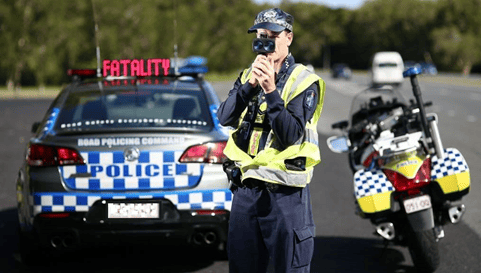
Drug driving enforcement is active. NSW Police regularly conduct operations focusing on impaired driving and high-risk behaviour. Recent operations reported hundreds of drug and drink driving detections across single weekends, reflecting a visible enforcement posture. This context helps explain why first-time matters are treated seriously even if there is no crash or impairment.
Are NSW Drug Driving Laws Driving Getting Tougher?
Yes. Public campaigns, high-visibility operations, and expanded roadside drug testing indicate a firmer stance. Police now run frequent blitzes around long weekends and events, with immediate suspensions more common where thresholds are met. Recent combined drink and drug offences attract higher penalties than standalone offences, signalling a policy focus on deterring polydrug driving. Courts also consider mandatory interlock for alcohol offences in many situations, which reinforces separation of substance use from driving.
That said, magistrates retain discretion, especially for first offenders with strong mitigation and rehabilitation steps. Early legal advice, prompt program enrolment, clean test results, and documented insight can influence outcomes such as non-conviction orders or shorter disqualifications. Repeat offending, refusal to provide samples, or aggravating facts usually attracts tougher penalties, so compliance and proactive remediation remain critical.
Second Offence Drug Driving NSW?
If you are back before the system within five years for a second presence offence, the NSW penalties page shows higher court maximums, a longer automatic disqualification, and heavier outcomes overall. In practice, a second offence is more likely to be sent to court, where the risk of a conviction increases. DUI second offences have still higher maximums, including a possible two-year prison term.
What Type Of Drugs Are Classified For Drug Driving In NSW?
NSW specifically targets active THC, methylamphetamine, MDMA and cocaine in oral fluid, blood or urine. There is also an offence relating to morphine in blood or urine unless you can prove medical use. Detection windows vary significantly, which is why a negative personal assessment of “feeling fine” can be unreliable.
















































































 1300 CRIM LAW
 Book a Free Consult
 1300 274 652
 BOOK NOW