

Key Takeaways
- Courts can find guilt without recording a conviction (e.g., a s 10 order/conditional release order). Whether such outcomes appear on a police or screening check depends on legislation and agency disclosure rules.
- Criminal history can affect whether a person is eligible in sensitive fields to qualify for professional licenses or certifications, which require a criminal record check.
- A criminal record creates problems in terms of international travel and applying for visas.
- To determine whether a person is eligible for record clearance, the Spent Convictions Scheme requires that at least 10 years have passed since criminal convictions occurred.
Table of Contents
How Long Does A Criminal Record Last?
The duration of a criminal record depends on the severity of the offence and local laws. After a period, minor offences can be cleared, and serious ones, such as those involving extreme violence, will stay. Therefore, it is important to be informed about your local laws, as these vary from jurisdiction to jurisdiction.
In Australia, managing criminal records is an important role played by the Spent Convictions Scheme. Under this scheme, some minor offences can be considered “spent” after short waiting periods, provided that the offender does not re-offend. In this program, the waiting period before being cleared is 10 years for adults and 5 years from the end of the sentence for juvenile offenders. However, the scheme does not apply to crimes with sentences of more than 30 months.
Variations are noted at the national and state levels. For example, NSW has its own spent convictions, separate from others. Most of these laws align with federal rules, but they also include more specific rules, such as disclosure for job screening or certain kinds of offences.
The Spent Convictions Scheme balances privacy and public safety. It helps individuals reintegrate into society by limiting the disclosure of old and minor offences during police checks. However, exceptions exist for sensitive roles, such as jobs involving children.
Factors influencing criminal record duration include:
- Age at the time of the offence
- Type of offence
- Repeat offences
For instance, juveniles have shorter record durations, while repeat offenders may not qualify for record clearance, making it indefinite. Severe offences, such as violent crimes, are treated more seriously and are less likely to be cleared.
Lastly, it is essential to understand the differences between police records, criminal history, and court convictions. A police record includes all interactions, even charges that didn’t lead to convictions. Criminal historysummarises past offences, while court convictions detail judicial outcomes. Recognising these distinctions helps in better understanding criminal record implications.
How Long Does A Conviction Stay On Your Record?
The length of time a conviction stays on your record depends on the severity of the offence and the laws in place. Some convictions may be removed after a set time, while others, especially those for serious crimes, can stay on your record permanently.
A criminal record consists of all the criminal history, including charges as well as non-convictions. In contrast, a conviction refers to a proven offence with a court-issued penalty. This distinction is critical, but especially during checks for employment and legal analysis, convictions tend to count for more than the rest of the criminal record.
Under Australia’s Spent Convictions Scheme, convictions for less serious offences will be considered spent. It results after a waiting period of 10 years for adults or 5 years for juveniles, and there have been no other offences committed during that time. While in most cases this applies, the situation is different for more serious offences.
However, the most common convictions for serious offences, such as violent crimes or a sentence of many years, are kept on your record for all time. Often, these records can be obtained by background checks, especially for employment in highly secure or public safety positions. These distinctions help explain how long a conviction links to a record and in what circumstances it could come into play.
Worried About Your Criminal Record?
Your criminal record can severely impact your future. However, our legal team is here to clarify your options and assist you in protecting your rights and opportunities.
Get Expert Advice Now
How Long Do Charges Stay On Your Record?
Criminal charges can remain on your record even if they do not lead to a conviction. These charges are usually visible in police records indefinitely, regardless of whether they proceed to court. However, how they impact you depends on the outcome of the case.
For dismissed charges, their visibility on your record is influenced by the Spent Convictions Scheme in Australia. Under this scheme, such charges are typically excluded from criminal record checks after a waiting period of 10 years for adults or 5 years for juveniles, as long as no further offences occur during this time. Even so, some charges might still appear in detailed police checks, depending on the job role or legal obligations.
It is important to understand the differences between pending, dismissed, and dropped charges. Pending charges refer to cases that are still under investigation or awaiting resolution in court. Dismissed charges occur when a judge or court formally clears the case. On the other hand, dropped charges are those that never proceed due to insufficient evidence or a decision by the prosecution.
By understanding how charges are recorded and categorised, you can better navigate their long-term implications and how they may affect your future.
How Long Does A Criminal Record Last On A Police Check?
Criminal records will appear on police checks based on the type of check conducted and applicable laws. In most cases, records remain visible unless they fall under the Spent Convictions Scheme, which limits the disclosure of certain old or minor offences. Under this scheme, offences are not shown after a waiting period of 10 years for adults and 5 years for juveniles.
The type of police check determines what information is disclosed. A regular police check typically shows convictions that are not classified as “spent.” What appears on a police check depends on the enabling legislation and the purpose of the check. Some checks are legally exempt from non-disclosure rules while others are not. These detailed checks are often required for positions involving public trust or high-security roles.
The Spent Convictions Scheme plays a key role in shaping police check results. Once a conviction becomes “spent,” it is excluded from most standard checks. However, certain roles, like working with children or vulnerable groups, may still require the disclosure of spent records.
Need Help Clearing Your Record?
We will assist you in dealing with your convictions and police checks when your criminal record prevents you from moving forward.
Speak To Our Criminal Lawyer
Do Criminal Records Affect Professional Licenses And Certifications?
Yes, a criminal record can significantly impact professional licenses and certifications because licensing bodies review applicants’ criminal history to determine their suitability. Certain offences, especially those involving dishonesty or harm, may prevent individuals from obtaining specific licenses.
The time frames for how criminal records affect licensing can vary. For many professions, minor or older convictions might have little impact. This is particularly true under the Spent Convictions Scheme, which excludes eligible convictions after 10 years (or 5 years for juveniles). However, for sensitive industries like healthcare, finance, and law, criminal records may be reviewed indefinitely.
In addition, existing licenses can be revoked if a license holder is convicted of a serious crime, especially if the offence occurred while they were licensed. Licensing authorities may also act on past convictions when the offence raises concerns about the individual’s ability to continue practising in their profession.
How Long Does An Assault Or Domestic Violence Charge Stay On Your Record?
Assault, domestic violence, and harassment charges are treated more seriously than other offences. These charges often carry stricter retention rules because of their violent nature and the potential harm caused to victims.
Key differences include:
- Longer retention periods for serious offences, often staying on police records indefinitely.
- Limited eligibility for these offences under the Spent Convictions Scheme, depending on the situation.
- Visibility on background checks, especially for roles that require high levels of trust.
For serious violent offences, records can remain permanently on file. This is particularly true in cases involving severe injury, repeated domestic violence, or violations of protection orders. These measures are in place to ensure comprehensive vetting for professional or legal purposes.
Additionally, these charges have lasting effects on background checks, often appearing many years later. AVOs impact firearms. An interim AVO automatically suspends a firearms licence and a final AVO automatically revokes it. Being aware of these consequences is crucial when dealing with such charges.
Concerned About Police Checks?
Police checks can affect both your ability to find employment and your freedom to travel and other opportunities. Our experienced lawyers can help you understand what to expect and how to manage your record effectively.
Contact Us Now
Does A Criminal Record Clear Or Expire Automatically?
No, criminal records do not automatically clear or expire unless specified under legal provisions. Clearing means the record is no longer accessible for most purposes, while expiring means it cannot be disclosed anymore.
Under the Spent Convictions Scheme, minor offences may automatically become spent after 10 years (or 5 years for juveniles) if no further offences are committed during this period. On the other hand, serious crimes remain on the record unless a legal process is completed.
The difference between automatic clearing and legal applications lies in eligibility. Serious offences require formal applications, while minor charges may clear naturally over time under specific conditions.
How Long Do Drug Charges Stay On Your Record?
Drug charges remain on a person’s record based on the type and severity of the offence and whether it is eligible under the Spent Convictions Scheme in Australia. According to this scheme, certain offences can become spent after 10 years (or 5 years for juveniles) if no further offences occur during this time. This provides an opportunity for individuals to move forward without a permanent mark on their record.
For example, minor drug possession charges are often treated less severely.They may qualify for spent conviction schemes or diversion programs designed to help individuals avoid long-lasting consequences. On the other hand, drug trafficking charges, which are classified as serious criminal offences, often remain indefinitely on a person’s record without eligibility for automatic expungement.
However, for minor drug offences, some jurisdictions offer expungement or diversion programs focused on rehabilitation. Successfully completing these programs can help individuals clear their records, minimising the impact on future opportunities. Understanding these pathways is essential for managing the long-term effects of a drug charge effectively.

How Long Does A Traffic Offense Stay On Your Criminal Record?
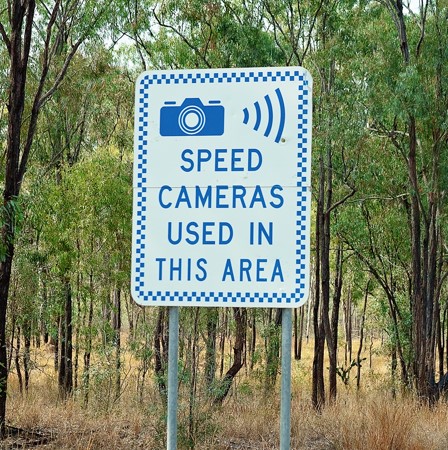
Traffic offences may appear on your criminal record depending on their seriousness. Minor violations, such as speeding or running a red light, are generally considered infringements. These typically do not become part of your criminal history.
However, more serious traffic offences are treated differently. Offences treated as crimes include driving under the influence (DUI), reckless driving that causes injury, or driving without a valid license. These offences are classified as criminal acts under Australian law and can have long-term consequences.
Such records may remain indefinitely unless they qualify for the Spent Convictions Scheme, which applies after a specific crime-free period.
Do Minor Traffic Offenses Stay On Your Record Forever?
Minor traffic offences, like speeding or parking violations, generally do not impact your criminal history because they are considered infringements rather than crimes. However, these offences may still result in fines or demerit points.
Most minor offences remain on driving records for a specific period, usually 3 to 5 years in Australia. After this time, they are cleared if no further violations are committed.

Can A Criminal Record Affect You Internationally?
Yes, a criminal record can create significant challenges when travelling abroad, especially for serious offences. This is because many countries either deny entry or impose specific restrictions based on your criminal history. Therefore, it is essential to check the entry requirements of your destination before planning your trip.
In particular, long-term stays are often subject to visa applications and immigration authorities requiring criminal record checks. Australian citizens may have to present police clearance certificates to prove that they are eligible. If convictions are not declared or requirements are not met, it could lead to visa denial or even deportation. Understanding these rules ensures smoother travel and successful visa processes.
Do All Countries Share Criminal Record Information?
Criminal record information is not shared by all countries, but some are members of international agreements such as INTERPOL. The agreements facilitate the security of countries as they work together to take on serious crimes.
On the visa and immigration process for the USA, Canada, and the UK, nations commonly run other nations’ criminal histories. It is also the case that Australia may use such records in accessing visa applications in relation to certain offences.
Does A Criminal Record Disappear After Death?
Death does not automatically eradicate one’s criminal record. For this reason, these records are kept to fulfil certain requirements or for historical purposes, and they are part of official archives even after the person has died.
Record Retention Policies for Deceased Individuals:
- Criminal records in Australian authorities are being kept permanently.
- These records are available to authorised entities such as law enforcement.
- The records may be used for court proceedings or for historical research purposes.
- Family members seeking access might face strict privacy laws.
This structured retention ensures transparency and defines how legal information is preserved after death.
How To Clear Or Remove A Criminal Record After 10 Years
Clearing a criminal record after 10 years involves a formal process requiring eligibility. To begin, here are the key steps you need to follow:
- First, obtain a copy of your criminal record to review its details.
- Then, confirm your eligibility under the Spent Convictions Scheme.
- Next, submit an application to the relevant authority, such as the police or court.
- Finally, provide any supporting documents required during the process.
The eligibility terms vary depending on the nature of the offence and the date. Most people will qualify if they have not reoffended in a particular period of time. For adults, this is usually 10 years; for juveniles, it is 5 years.
In most cases, it is not an automatic clearing of a record. Some offences are, in themselves, spent automatically; others require legal action or court approval. It helps to ensure the Australian law and the proper handling of records.






















































































 1300 CRIM LAW
 Book a Free Consult
 1300 274 652
 BOOK NOW