
Key Takeaways
- Driving barefoot is generally legal in Australia, but police can act if it contributes to losing vehicle control.
- Most states focus on proper control and due care, not specific bans on shoes, socks or bare feet.
- Bare feet or unsafe footwear may affect fault findings, fines, demerit points and insurance outcomes after a crash.
- Closed, secure shoes with thin, flexible soles and good pedal grip are safest for everyday city and highway driving.
- If police say your footwear caused poor control, traffic lawyers can explain options, challenge allegations and minimise penalties.
Table of Contents
Is It Illegal To Drive Barefoot?
There is no explicit NSW road rule that bans driving barefoot. The question arises through Rule 297 of the Road Rules 2014 (NSW), which requires a driver to have proper control of the vehicle and to drive with due care and attention. The law is aimed at how you drive, not at your footwear by itself.
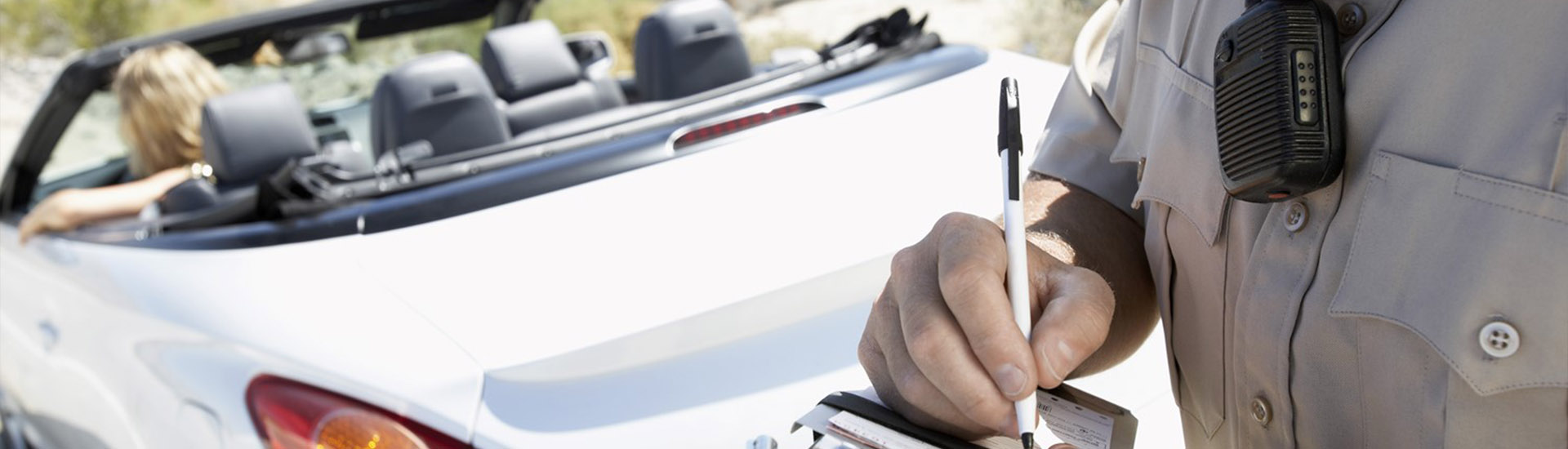
Bare feet, socks or unsuitable shoes only become a legal problem if they contribute to losing control. Examples include a foot slipping off the brake in wet conditions, toes catching under a pedal, or loose footwear jamming between pedals. If police believe this happened, they can rely on Rule 297 to issue a fine or a court attendance notice for not having proper control, even though barefoot driving is not separately banned. In serious cases, charges such as negligent driving may be considered.
Bare feet can still become relevant after a near miss or crash. Investigators may look at photos, vehicle data, skid marks, dashcam and your own account to see what caused the incident. If there is credible evidence that a pedal slip, poor braking or delayed reaction time was linked to bare feet, they may treat that as part of the unsafe driving. In that situation you can receive an infringement or court attendance notice relying on control related offences, even though barefoot driving is not banned on its own.
Is It Legal To Drive Without Shoes?
It is generally legal to drive without shoes in Australia, including in New South Wales and Queensland. The key legal test is whether your driving meets the standard of a careful, competent driver in the same circumstances. If you can accelerate, brake and steer smoothly with bare feet, and nothing goes wrong, there is usually no issue.
Problems arise when lack of footwear makes control harder. For example, if your foot slips off the brake in wet conditions, or you struggle to move quickly between pedals on a steep hill, police may decide you failed to keep proper control. They can then issue a fine or start a court matter based on those broader offences, not on bare feet themselves. For that reason, many road safety bodies recommend wearing secure, closed shoes for longer trips, night driving or unfamiliar roads.
Is Driving In Socks Legal?
Socks are not banned when driving. The same control test applies as for driving barefoot. Thin socks can sometimes improve pedal feel compared to thick-soled shoes, but socks can also reduce grip on smooth pedals, especially if damp. If a skid mark analysis, dashcam footage, or your own account suggests your foot slipped because of socks, that detail may appear in a brief of evidence. The issue is not the sock but the loss of control.
Worried Your Footwear Is Being Blamed For A Traffic Offence?
If police say bare feet or unsafe shoes caused poor control, our traffic lawyers can review the brief and explain your real options under NSW or QLD law.
Talk To A Traffic Lawyer
Can You Drive Barefoot In Australia
Australia does not have a national barefoot driving ban. States and territories implement the Australian Road Rules through their own local regulations. A common thread is the duty to have proper control of your vehicle and to drive with due care. That duty is what police rely on when footwear becomes relevant.
Australia-wide snapshot of footwear and control rules
| Jurisdiction | Explicit ban on barefoot driving? | Key control duty commonly relied on | Notes for drivers |
|---|---|---|---|
| NSW | No | Drive with proper control and due care | No special footwear rule. Police look at whether footwear choice contributed to loss of control. |
| QLD | No | Must have proper control at all times | No specific barefoot offence. Unsafe footwear or bare feet can still be evidence of poor control. |
| VIC | No | Must be in proper control of vehicle | Guidance often discourages unsafe footwear; enforcement still hinges on control and safety. |
| WA/SA/ACT/TAS/NT | No | Equivalent “proper control” obligations | Public messaging focuses on safety and pedal control rather than banning barefoot driving. |
If you remove unsafe shoes before driving, place them behind the seat or in the passenger footwell in a way that prevents them sliding under the pedals.
Can You Drive Barefoot In NSW?
NSW rules do not prohibit driving without shoes. What matters is whether you remain in proper control of your vehicle at all times. If your footwear choice contributes to a near miss or a collision, police can rely on the general duty to drive with due care, attention and reasonable consideration for other road users.
There is no NSW-specific fine just for driving barefoot or in thongs. A lot of online rumours claim barefoot driving is automatically illegal, but that is not how NSW law works in real practice. However, if an officer believes loose shoes, high heels or bare feet made it harder for you to brake, change gears or steer safely, you may still receive an infringement notice or face a court charge based on failing to maintain proper control of the vehicle.
If you have been stopped, fined or told to appear in court because police say your footwear played a part in a traffic offence, our traffic team can review the brief, explain your options and help you defend the allegation or work towards minimising any penalties and licence consequences.
Need Help With A Barefoot Driving Fine Or Court Date?
We can assess the allegation, advise whether footwear truly affected control, and prepare submissions aimed at protecting your licence and limiting penalties.
Book A Free Traffic Case Assessment
Is It Illegal To Drive Barefoot In New South Wales?
There is no explicit NSW road rule that bans driving barefoot. The issue arises through Rule 297 of the Road Rules 2014 (NSW), which requires drivers to have proper control of their vehicle and drive with due care and attention. Bare feet (or unsuitable shoes) only become a legal problem if they contribute to losing control. For example, slipping off the pedals or getting stuck in which case police may rely on Rule 297 to issue a fine or court attendance notice.
How Fault Is Assessed When Driving Barefoot
When officers or crash investigators assess fault, they look for evidence about how a vehicle was controlled. Footwear can enter that analysis in a few ways:
- Scene evidence: a shoe under the brake or accelerator; skid patterns inconsistent with heavy braking; pedal marks.
- Vehicle data: event data recorder information about pedal use just before impact.
- Driver account: statements about slipping, cramped pedals, or footwear coming off.
- Conditions: wet weather, sand at the beach, or long driving in heat causing foot perspiration.
- Third party evidence: dashcam, CCTV, or witness descriptions of swerving or delayed braking.
If investigators believe footwear made control harder, that can support an infringement for not being in proper control, or in more serious cases a negligent driving charge. Causation matters. Bare feet are not automatically unsafe, but if evidence shows a pedal slip occurred because of them, liability becomes more likely.
Can Insurance Refuse A Claim If You Drove Barefoot?
Insurers do not automatically reject a claim just because you were driving barefoot, but they can look closely at any behaviour that falls below a reasonable standard of care. After a crash, a claims assessor will review the police report, photos and witness evidence to see what caused the collision. If there is proof that loose shoes, high heels, thongs or bare feet made it harder to brake or steer, for example because a strap caught under a pedal or your foot clearly slipped, they may argue your footwear was a contributory factor.
Depending on the policy wording, that can justify reducing a payout, increasing your excess, or in extreme cases denying a claim altogether. Medical or prescribed footwear does not create an automatic exemption; the key test is always whether you kept proper control. It is also important to answer insurer questions honestly, because misleading or incomplete answers can be a basis to challenge or reduce a claim. Many policy documents refer to taking reasonable care and complying with road laws, giving insurers a basis to contest unsafe driving.
Can You Drive Barefoot In Queensland?
Yes. Queensland road rules do not create a specific offence for driving barefoot, so there is no automatic fine just because you are not wearing shoes. As in NSW, the focus is on proper control and safe operation of your vehicle. Police and transport agencies often warn against thongs, high heels and loose sandals because they can slip, fold or catch under pedals, especially in wet conditions or after a long drive.
Under the Transport Operations (Road Use Management) legislation and associated road rules, drivers must take reasonable care and have effective control of their vehicle. If a crash or near miss occurs and there is evidence that bare feet or unsuitable footwear made it harder to brake, accelerate or steer, that fact can appear in the police report and any insurance assessment. You might then face an infringement or court charge based on failing to maintain proper control, rather than driving barefoot itself. If the evidence shows your feet or shoes had nothing to do with what happened, barefoot driving alone is unlikely to decide fault or how your insurance claim is treated.
Is Driving With Flip-Flops, Heels, Or Slippers Illegal?
In Australia, it is generally not illegal to drive in flip-flops, heels or slippers, because road rules focus on whether you keep proper control of your vehicle. Most states and territories do not name particular types of footwear in their legislation. Instead, police and courts look at whether your shoes contributed to unsafe driving, such as delayed braking or difficulty using the pedals. If loose, unstable or very bulky footwear makes it harder to control the car, you can still be fined or charged under general safe driving duties.
Flip-flops, backless slippers and high heels can slide, fold over or catch under the pedals, especially in wet or stop start traffic. Thick platform soles may also reduce your feel for throttle and brake pressure. While you are unlikely to be booked just for what you are wearing, investigators can rely on unsafe footwear as part of the evidence if a crash occurs. The safest approach across all states is to treat footwear as part of your overall duty to drive carefully.
What Footwear Should You Wear For Safe Driving?
For most drivers, the safest choice is a closed, secure shoe with a thin, flexible sole and a good grip on the pedals. You want enough sensitivity to judge braking and throttle pressure, without your foot sliding around. A lace up sneaker or light driving shoe that hugs your heel and does not flop is usually a sensible option. The shoe should not be so wide or bulky that it presses two pedals at once, and the sole should not be so thick that it dulls pedal feel.
By contrast, high heels, very thick platforms, loose thongs, soft backless slippers and heavy work boots can all reduce control in different ways. They may slip, snag under a pedal or make it harder to change foot position quickly. Wet weather, sand and long hot trips can make these problems worse. Choosing safe footwear is a simple way to reduce the risk of crashes and arguments later with police, insurers or other drivers about whether your shoes contributed to what happened.
Insurance Or Fault Dispute Linked To Your Footwear?
If an insurer or another driver is blaming your shoes or bare feet for a crash, we can analyse the evidence and help you challenge unfair decisions.
Get Help With Insurance And Fault Disputes

















































































 1300 CRIM LAW
 Book a Free Consult
 1300 274 652
 BOOK NOW