

Key Takeaways
- Road rage is not always a standalone offence but can lead to charges.
- These incidents can result in assault, reckless driving, or property damage charges.
- Where an impact causes death and the driver was under the influence, speeding dangerously, or driving in a dangerous manner, the charge is usually dangerous driving occasioning death (max 10 years; 14 years if aggravated).
- The legal consequences for road rage incidents vary depending on the jurisdiction and severity of the incident.
- It is important to stay calm and maintain distance in order to prevent road rage from escalating.
Table of Contents
Is Road Rage A Criminal Offence
Well, road rage itself is not always a standalone offence, but it can lead to criminal charges. Road rage refers to the aggressive and violent behaviour displayed by drivers on the road.
Moreover, road rage often is an outcome of frustration and anger. This includes many actions such as tailgating, cutting off other vehicles, excessive honking, obscene gestures, and even physical altercations.
However, these behaviours may not always result in criminal charges on their own; they can lead to serious consequences when combined with other criminal offences.
In different legal systems, road rage-related incidents can fall under various categories of offences. In some places, it may be considered a misdemeanour or traffic violation, while in others, it can be classified as assault or reckless driving. It’s important to note that any damage caused to property or harm inflicted upon individuals during a road rage incident can also result in additional criminal charges.
So, it’s necessary for individuals to understand that road rage is not a minor issue and should be taken seriously. Because any actions taken in the heat of the moment can have detrimental effects on both the aggressor and the victim. Therefore, it is important to remain calm and in control while driving so that road rage incidents can be avoided.
Is Road Rage Illegal?
Road rage is not explicitly illegal in most jurisdictions. However, the actions that fall under road rage can result in legal consequences depending on the severity and impact of the behaviour.
In some places, there may be specific laws against aggressive driving or reckless behaviour on the road. While other areas may not have explicit laws targeting road rage but still hold drivers accountable for their behaviour behind the wheel through more general traffic laws.
Moreover, the factors that contribute to road rage, such as stress, anger, and impatience, can also lead to other illegal actions on the road. For example, a driver experiencing road rage may engage in aggressive or reckless driving tactics, which could result in traffic violations or even criminal charges.
In addition, if road rage escalates into physical altercations or incidents of property damage, it can lead to assault or vandalism charges.
Overall, depending on the severity of the situation, individuals who engage in road rage may face consequences such as fines, points on their license, or even jail time. In extreme cases where a road rage incident results in injury or death, the offender could potentially face manslaughter charges.
Concerned About Road Rage Charges?
Facing legal issues due to road rage incidents? Our experienced lawyers can provide you with expert guidance, support, and a strong legal defence to protect your rights.
Consult Our Legal Experts Today
What Are The Consequences Of Road Rage?
The road range is not only dangerous but also has serious consequences. The aggressive behaviour behind the wheel can lead to severe legal, financial, and personal consequences for both parties, including:
- Road rage incidents are considered criminal offences in most states.
- Depending on the severity of the incident, it can result in charges such as assault, reckless driving, or even vehicular manslaughter, which leads to fines, license suspension or revocation, and even imprisonment.
- In addition to potential fines associated with criminal charges, road rage incidents can also result in civil lawsuits. This can include claims for property damage, medical expenses, and lost wages.
- If the incident involves a commercial vehicle, the company may also face financial repercussions such as increased insurance rates or loss of business contracts.
- Road rage incidents can have a significant impact on an individual’s mental and emotional well-being. The stress and trauma from being involved in or witnessing aggressive driving behaviour can lead to anxiety, depression, and even PTSD (Post Traumatic Stress Disorder).
By keeping a safe distance and remaining calm on the road, we can reduce the risk of experiencing or causing road rage incidents.
Is Road Rage A Crime In Australia?
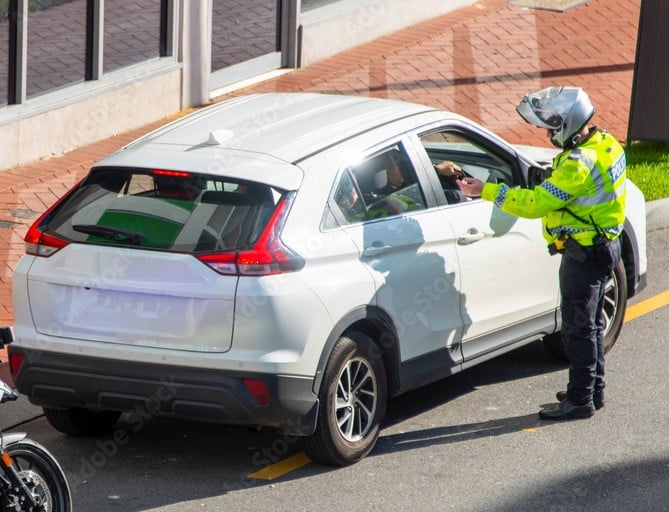
In Australia, road rage is considered a serious offence that can result in criminal charges. The law addresses road rage under the broader category of aggressive or dangerous driving, which encompasses a range of behaviours such as tailgating, honking excessively, and makingobscene gestures while driving.
Specific legal consequences for aggressive driving and related offences include fines, license suspensions, and even imprisonment in extreme cases. For example, a driver who engages in aggressive behaviour that causes harm to another person or property can be charged with reckless driving and face penalties such as heavy fines and jail time.
There have been several high-profile cases in Australia where road rage has resulted in legal action against the perpetrator. In one instance, a driver was charged with manslaughter after a road rage incident resulted in the death of another driver. This serves as a tragic reminder of the serious consequences that can result from aggressive driving.
Need Help Understanding Road Rage Penalties?
Road rage can have severe consequences. Get legal advice now to minimise penalties and safeguard your future.
Get Professional Legal Advice Now
What Criminal Offences Can Occur During Road Rage?
Road rage itself may not be considered a standalone offence under the law, but it can lead to criminal charges if specific actions are taken. For example, aggressive and reckless driving can result in charges of dangerous or careless driving. It’s important to note that physical altercations such as assault can also occur during road rage incidents and lead to criminal charges.
Some common criminal offences related to road rage include:
- Menacing Driving: It covers intentionally menacing or driving in a way that ought to have been known would menace; max up to 2 years on repeat.
- Reckless or Dangerous Driving:Conviction for furious/reckless/dangerous driving carries fines/imprisonment and may attract licence disqualification under the Road Transport Act
- Assault: Physical confrontations stemming from road rage incidents can lead to charges of assault or battery.
- Property Damage: Intentionally or recklessly damaging another’s vehicle/property is an offence punishable by up to 5 years or 10 if by fire/explosives.
- Predatory Driving: Specific to NSW, this offence involves intentionally causing harm or threatening another driver, with penalties of up to five years imprisonment.
If you are facing criminal charges due to a road rage incident or seeking justice as a victim, we can help. At Criminal Law Group, we specialise in defending clients against road rage-related offences and ensure fair outcomes.
What Crimes Can Road Rage Lead To?
Road rage can lead to a variety of criminal charges, depending on the severity and nature of the incident. Some of the most common crimes associated with road rage include:
- Assault: Physical attacks during road rage incidents can result in assault charges, which can lead to fines and even imprisonment.
- Dangerous Driving: Speeding, tailgating, and other reckless behaviours on the road can be considered risky driving. This offence carries significant penalties such as license suspension or revocation, heavy fines, and even jail time.
- Property Damage: If a road rage incident results in damage to vehicles or other property, it can lead to charges of vandalism or property damage. This could result in fines and potential jail time depending on the extent of the damage caused.
- Offensive Language and Conduct: Offensive conduct and offensive language may be charged where abuse occurs in public.
Overall, it is important to remember that road rage is not only dangerous but also illegal. It can lead to serious consequences and should be avoided at all costs.
Can You Be Fined For Aggressive Driving?
Yes, aggressive driving can result in fines and penalties, depending on the location where the offence occurs. In some states, aggressive driving is considered a criminal offence and can lead to jail time, license suspension, or heavy fines. For example, in California, reckless driving carries a penalty of up to 90 days in jail and a fine of up to $1,000 for first-time offenders.
In other locations, such as New York City, reckless driving is subject to traffic violations that can result in steep fines. The minimum fine for reckless driving in New York City is $300, but it can increase based on factors such as speed or damage caused by the driver’s actions.
Repeat offences are penalised more harshly. In addition to increased fines, repeat offenders may face longer jail time and even the suspension or revocation of their driver’s license. This highlights the importance of learning responsible driving habits early on and avoiding reckless behaviour behind the wheel.
Protect Your Future Against Road Rage Charges
Have you committed a road rage offence? Protect your future and legal rights by talking to us today. Our team of experts will help you understand the charges, implications and potential outcomes of the situation.
Book Your Legal Consultation Now
What Happens If You Report A Bad Driver?
If you encounter a dangerous driver on the road, it is important to report them to ensure safer roads for all users. Here’s how you can report a bad driver efficiently:
- Make a note of the license plate number and any identifying details of the vehicle (colour, make, model)
- Contact the local police department or highway patrol to report the incident. Police can require drivers involved in an impact to stop, assist and provide particulars (name, address, vehicle details), and failing to do so is an offence.
- Provide a detailed description of what happened and why you believe the driver was being dangerous
- If possible, provide video evidence or photos as proof of their behaviour
Law enforcement plays a crucial role in handling reports of road rage. They have the authority to pull over aggressive drivers and issue tickets or citations. In some cases, they may also refer the case for further legal action.
However, it is important to note that reporting a bad driver does not automatically result in legal consequences for them. The authorities will evaluate the evidence and determine if there is enough reason to pursue legal action.

Is Hit And Run A Crime In Australia?
Yes, it is. In most cases, hit and run involves not only causing harm or property damage but also fleeing from responsibility. This can be seen in instances of aggressive driving during road rage, where drivers may engage in dangerous behaviours like tailgating or ramming another vehicle before leaving the scene.
Penalties for hit and run offences vary depending on the severity of the incident and the state. For example, in New South Wales, Australia, a hit and run that results in death or serious injury can lead to up to 10 years’ imprisonment.
These penalties may seem harsh, but they serve as an important reminder of the gravity of hit-and-run incidents. By leaving the scene, not only are you breaking the law, but you are also potentially denying justice and closure for those who were harmed.
Why Is Tracking Road Rage Difficult?
Tracking road rage incidents can be a complex and challenging task. This is due to various reasons, such as:
- Lack of a universally accepted definition for road rage
- Difficulty in differentiating between aggressive driving behavior and actual road rage incidents
- Underreporting of cases due to lack of awareness or fear of retaliation
One major challenge in tracking road rage is the absence of a specific offence for it in legal databases. While some countries have laws against reckless driving or assault, others do not recognise road rage as a separate offence. This makes it difficult to collect data on the prevalence of road rage.
In addition, witness reports are crucial in identifying and tracking road rage incidents. However, many cases go unreported due to a lack of awareness or fear of retaliation from the aggressor. This further contributes to the underreporting of road rage cases and makes it challenging to measure its impact on society.
How Can You Deal With Road Rage?
Dealing with road rage can be a challenging situation for any driver. Whether you are experiencing it yourself or witnessing it from another vehicle, the key is to stay calm and focused on safety at all times.
Here are some tips to help you handle road rage safely and effectively:
- Stay Calm: Avoid reacting to aggressive drivers. Do not honk excessively or make eye contact, as this may escalate the situation.
- Keep Distance: Maintain a safe distance from aggressive drivers to avoid collisions or confrontations. Avoid tailgating or cutting them off.
- Control Your Own Emotions: When dealing with road rage, it is important to control your emotions. Take deep breaths and remind yourself that getting angry will only make the situation worse.
Below are some strategies to de-escalate a road rage situation:
- Avoid Engagement: Do not retaliate with gestures, shouting, or aggressive driving.
- Apologies: A simple wave of apology can sometimes defuse tension.
- Focus on Driving: Stay alert and continue driving safely to avoid provoking further.
If the situation escalates to threats, physical harm, or property damage, contact the police immediately, and they will handle the situation.

























































































 1300 CRIM LAW
 Book a Free Consult
 1300 274 652
 BOOK NOW