
Key Takeaways
- Low range PCA means a BAC from 0.05-0.079 for standard licence holders and it is a criminal offence if prosecuted and a conviction is recorded
- For many first offences, police may issue a penalty notice with an immediate 3-month suspension. You can pay it or elect to take the matter to court.
- Interlock orders are generally not mandatory for a first low range offence. They may apply for repeat drink driving offenders under the mandatory programme.
- You can usually appeal an immediate police suspension in the local court but strict 28-day time limits apply.
- A court can consider non-conviction in appropriate cases such as a dismissal or a conditional release order without conviction.
Table of Contents
Low Range Drink Driving In NSW
Low range drink driving is one of several PCA offences under section 110 of the Road Transport Act 2013. PCA means Prescribed Concentration of Alcohol, which is the legal measure used in NSW for drink driving offences. The Blood Alcohol Concentration (BAC) measured by breath analysis or blood analysis, determines which PCA range applies and therefore, what penalties may be applied. Low range PCA is 0.05-0.079 for most unrestricted drivers. It is different from novice and special range offences that apply to learners, provisional and certain categories with lower limits and from the mid and high ranges that carry heavier penalties.
What Is Low Range Drink Driving?
In plain terms, low range drink driving is when you drive, attempt to drive or occupy the driver’s seat of a vehicle while your BAC is 0.05 to 0.079 and you are a driver who is subject to the standard 0.05 legal limit. Police usually establish this using an approved breath analysis machine after a roadside screening test, according to procedures in the legislation. Whether you receive a penalty notice or a court attendance notice depends on your history and the incident.
Is Low Range Drink Driving A Criminal Offence In NSW?
Yes. Low range PCA is a statutory criminal offence in NSW under section 110 of the Road Transport Act 2013. For eligible first offences, police may issue a penalty notice and, in many cases, an immediate licence suspension. If you accept the notice and do not elect court, the matter is finalised administratively. You pay the fine and serve the suspension. This pathway generally does not produce a criminal conviction, although your traffic record will reflect the suspension and infringement outcome.
If you elect court or are charged to court, the case proceeds as a criminal matter. The magistrate can record a conviction and impose a fine and a period of disqualification. In appropriate circumstances, the court may exercise discretion to dispose of the charge without recording a conviction, such as a Conditional Release Order without conviction or a section 10 dismissal. Whether a non conviction result is realistic depends on the reading, driving circumstances, your record, mitigation, and demonstrated rehabilitation.
Charged With Low Range Drink Driving?
Get clear, practical advice on penalties, court options, and how to protect your licence.
Contact Now to Book Your Personalised Strategy
How Serious Is A Low Range PCA?
Low range PCA is less serious than the mid and high ranges, but it remains a criminal offence with real consequences. Courts can impose a conviction, a fine, and a period of disqualification, and police may have already issued an immediate suspension. The magistrate will assess the BAC reading, the manner of driving, why you were on the road, whether anyone was placed at risk, and your traffic and criminal history. Practical needs such as employment or caring duties are considered, but they do not outweigh safety or deterrence on their own.
Sentencing is guided by statutory maximums and the purposes of sentencing under NSW law, applied to the specific facts. Helpful mitigation includes early legal advice, a clean record, verified character references, completion of a Traffic Offender or equivalent programme, counselling, and evidence of genuine insight. In appropriate cases the court may deal with the matter without recording a conviction, but this is discretionary and not guaranteed. Outcomes vary with the reading, circumstances, and your demonstrated rehabilitation.
What Are The PCA And BAC Ranges In NSW?
The PCA categories are set by legislation and are reflected in the New South Wales government guidance. These categories sit on top of the scientific BAC measure.
Here are the NSW PCA categories and legal BAC thresholds:
| PCA category | BAC range for offence | Typical driver group | Notes |
|---|---|---|---|
| Novice range | Above zero to under 0.02 | Learner, P1, P2 | Zero-alcohol expectation for novice drivers |
| Special range | 0.02 to 0.049 | Specific classes, for example certain professional drivers | Applies to special category drivers only |
| Low range | 0.05 to 0.079 | Unrestricted drivers | The focus of this guide |
| Mid range | 0.08 to 0.149 | Unrestricted drivers | Heavier penalties than low range |
| High range | 0.15 and above | Unrestricted drivers | Highest penalties and risk |
These bands determine the charge and the penalty framework. If the reading is 0.08 or more, the matter becomes mid range with different penalties. If it is 0.15 or above, it is high range.
What Are The Penalties For A First Low Range Drink Driving Offence?
For many first low range cases, police may issue an on-the-spot fine and an immediate 3 months suspension. If the penalty notice is paid, the matter is finalised without a court appearance. If you elect to go to court, the court can impose different penalties, which may include a higher fine, a period of disqualification, and in the right case, a non-conviction disposition. The NSW government penalties page sets out the penalty notice amounts and suspension policy for a first and the maximum court fine if the matter proceeds to court.
Need Help Deciding Whether To Take It To Court?
We explain infringement notices, immediate suspensions, appeals, and realistic outcomes.
Talk To Our Expert Lawyer Now
What Happens If I Am Given An Infringement Notice For Low Range Drink Driving?
If you are given an infringement notice for low range drink driving, there are options:
- Pay the penalty notice and serve the immediate suspension which usually should resolve the matter administratively.
- Elect to go to court: The court can impose heavier or lighter consequences than the penalty notice depending on your facts, including the possibility of a non-conviction outcome in the right case.
- Appeal the police suspension within 28 days if you have grounds, for example, hardship and a strong case on the merits. Time limits are strict.
What Are The Penalties For A Second Or Subsequent Low Range Offence?
Repeat offenders face higher court maximums, a real risk of longer disqualification, and they may be subject to the alcohol interlock programme since repeat drink driving offences fall within the mandatory drink driving interlock scheme. If you have a prior alcohol-related major offence, the law may require a period of disqualification followed by an interlock condition if you wish to return to driving. The exact outcome depends on your record, and dates of the offences.
What Is The Legal Process For A Low Range Drink Driving Charge?
A typical legal pathway for a low range drink driving charge looks like this:
- Roadside stop and a screening test: If positive, police direct you to provide a breath analysis on an approved device. Procedures are set out in the legislation.
- Outcome at the station or mobile unit: For a first low range drink driving offence, police may issue a penalty notice and an immediate suspension or they may issue a court attendance notice.
- Decision points: You decide whether to pay, appeal the suspension, or elect the court. Time limits for appeal are short.
- If you go to court, you can plead guilty with supporting material or enter a plea of not-guilty and the matter proceeds to a hearing.
- Sentencing: If guilty, the court considers penalties under section 110 as well as options for non-conviction outcomes under sentencing law where appropriate.

Can I Plead “Not Guilty” To A Low Range PCA?
Yes. Common issues include identity of the driver, compliance with testing procedures, the timing and reliability of the breath analysis, and factual disputes about driving. The Road Transport Act and its schedules contain the rules for admissibility of breath or blood analysis. Practical prospects depend on your facts and the evidence.
How To Reduce A Drink Driving Charge
There are pathways that may lower risk:
- Negotiation about the facts that the prosecution will read to the court, where appropriate.
- Early steps such as a traffic offender or alcohol programme, medical or counselling reports, and character references.
- Submissions aimed at a non-conviction order in suitable cases, for example a dismissal under section 10(1)(a) or a Conditional Release Order without conviction, guided by the Judicial Commission’s sentencing principles. Outcomes are case specific.
Who Can Help With A Low Range Drink Driving Charge In NSW?
Specialist traffic and drink driving lawyers deal with PCA matters daily. A solicitor can:
- Assess the evidence and identify any testing or procedure issues
- Prepare the material that helps a court understand your need for a licence and your rehabilitation steps
- Advise on interlock implications if you have prior alcohol-related convictions
- Represent you in suspension appeals and on the day in court
Judicial studies confirm drink driving is among the most common matters in the Local Court, so experienced representation can help you navigate a well-trodden but technical process
Are Interlock Orders Mandatory For Low Range Drink Driving?
For a first low range offence, an interlock order is generally not mandatory. Interlock becomes relevant for repeat drink driving and for mid or high range offences. If you are captured by the programme, you serve a court-ordered disqualification, then you may drive only with an approved interlock device for the period set by law or the court, with strict zero alcohol conditions.
Hoping To Avoid A Conviction?
Ask about non-conviction orders, programmes, and evidence that may support leniency.
Get Expert Legal Help
Can I Get A Section 10 For Low Range Drink Driving?
The Crimes (Sentencing Procedure) Act 1999 allows NSW courts to dispose of an offence without recording a conviction in limited circumstances. This includes a section 10(1)(a) dismissal or a Conditional Release Order without conviction under section 10(1)(b). Courts weigh factors such as your character, criminal history, health, triviality, and the circumstances of the offence. A non-conviction is discretionary and outcomes vary case by case.
What Are The Penalties For Other Drink Driving Ranges In NSW?
As BAC increases, penalties increase:
- Novice and special range: lower BAC range for novice and special category drivers with penalties that can include fines, disqualification and in some situations, interlock for repeat alcohol-related offending.
- Mid range: BAC 0.08-0.149 with higher maximum fines, longer disqualifications and interlock requirements on conviction.
- High range: BAC 0.15 and above with the highest penalties and interlock for eligible offenders and disqualification.
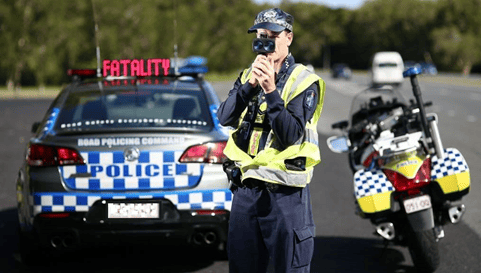
New South Wales government guidance sets out current maximum fines, disqualification settings, immediate suspension policies and when interlock applies. Police conduct enforcement operations throughout the year.
What To Know About Drink Driving Offences In NSW
Here are some things you should know about drink driving offences:
- PCA offences are defined in section 110: Evidence rules for breath and blood analysis appear in the acts and schedule.
- For many first low range matters, an infringement + immediate suspension is issued, introduced as part of the 2019 reforms.
- You can usually appeal a police suspension quickly if you have grounds but deadlines are often tight.
- Interlock is aimed at mid, high and repeat drink driving.
- Non-conviction outcomes exist in NSW but they are not guaranteed. Courts will apply the statutory test and the facts of your case.






















































 1300 CRIM LAW
 Book a Free Consult
 1300 274 652
 BOOK NOW