
Key Takeaways
- NSW road cameras detect speeding, red-light breaches, phone use and seatbelt offences using time-stamped images and sensors.
- Different camera types monitor fixed points, average speeds over distances, intersections, school zones, bus lanes and level crossings.
- Automated number-plate recognition links images to registration databases, quickly identifying unregistered, cancelled, suspended or stolen vehicles.
- Penalty notices outline alleged offence details, fine amounts, demerit points and options to pay, contest or nominate drivers.
- Specialist traffic lawyers can review camera evidence, challenge errors, argue exceptional circumstances and minimise licence, demerit and fine impacts.
Table of Contents
What Offences Can Cameras Catch You Committing When Driving?
Cameras detect offences that are straightforward to measure or verify from imagery and time-stamped data. Here are the main offences cameras pick up while you are driving:
- Speeding (instantaneous): Fixed or mobile cameras record your speed against the limit and capture your number plate.
- Speeding (average/point-to-point): Two cameras log your plate at entry and exit, then calculate your average speed over the distance.
- Red-light offences: Intersection cameras record vehicles that cross the stop line after the light has turned red.
- Illegal mobile phone use: High-resolution cameras capture drivers holding or using a phone, with images checked by authorised staff.
- Seatbelt non-compliance: Camera images let reviewers see if the driver or passengers appear not to be wearing seatbelts.
- Bus or transit lane misuse: Cameras check whether vehicles in restricted lanes are authorised or carry enough occupants.
- Number plate and registration issues: ANPR cameras flag plates that are unregistered, cancelled, or otherwise non-compliant.
- Level crossing and school-zone enforcement: Cameras monitor compliance with railway-crossing rules and school-zone speed limits.
- Toll evasion and restricted access: Cameras detect vehicles using toll roads or restricted zones without valid payment or permission.
Which Offences Can Be Captured By Traffic Enforcement Cameras?
Traffic cameras detect various offences depending on device, placement and configuration, from speeding and red-light breaches to mobile phone use, seatbelt non-compliance and unsafe driving.
Camera Types And Typical Offences Captured
| Camera Type | Main Offences Captured | Notes |
|---|---|---|
| Fixed speed / red-light cameras | Speeding, red-light offences, stop-line breaches | Often installed at intersections and high-risk locations |
| Combined speed-and-signal units | Both speed through the site and compliance with traffic signals | One device can enforce speed and red-light rules at the same point |
| High-mounted behavioural cameras | Illegal mobile phone use, failure to wear a seatbelt, dangerous lane changes | Angle and height allow clearer view into the vehicle cabin |
| Mobile or trailer-mounted cameras | Similar to fixed cameras (speed, sometimes red-light or lane use) | Can be moved between emerging hotspots |
| Corridor / lane-use cameras | Bus / transit lane misuse, lane changes and lane discipline | Placement relative to lanes and signs determines what can be proven |
What Can Traffic Cameras Detect For Monitoring Road Safety?
Traffic cameras do more than issue fines. They detect vehicle speeds, traffic volumes, lane use, red-light compliance and patterns like tailgating or heavy braking that may indicate near misses. Some systems also measure flow rates through intersections or along motorways, highlighting where congestion or frequent harsh braking suggests a higher crash risk.
Authorities use this information to support broader road-safety management. Data from sensors, radar, inductive loops and video analytics helps planners redesign intersections, adjust signal timings, set or review speed limits and identify locations needing extra enforcement or engineering changes. In this way, cameras operate as tools for both safety intelligence and targeted enforcement, and not simply revenue collection.
Got A Speeding Or Red-Light Camera Fine?
Our traffic defence team can check the images, speed data and signage, explain your options and advise whether you should pay, seek leniency or take the matter to court.
Get Your Camera Fine Reviewed
What Do Traffic Enforcement Cameras Pick Up?
Traffic enforcement cameras typically capture number plates, vehicle type, lane position, date and time, along with the measured speed or signal status at the moment of the alleged offence. Lighting-based systems may use flashes, infrared or low-light sensors to ensure the plate and vehicle are readable, even in poor visibility. Some cameras can also record the vehicle’s position relative to stop lines or lane markings to prove a red-light or lane offence.
More advanced systems track movement across multiple frames or sites, allowing them to calculate average speeds or detect sudden, risky manoeuvres. Many cameras are designed to operate in darkness, rain or fog, so they continue to pick up usable images when human observation would struggle. The resulting footage and metadata form the backbone of evidence for any infringement or court proceeding.
How Do I Know If I Was Caught On Camera And What Happens Next?
You usually will not know immediately if a traffic camera has recorded an alleged offence. Many modern systems use visible infrared flashes, and there may be no obvious sign at the time. The first indication is typically a penalty notice or infringement letter sent to the registered owner after the image and data have been reviewed, which can take several days or weeks depending on the jurisdiction and workload.
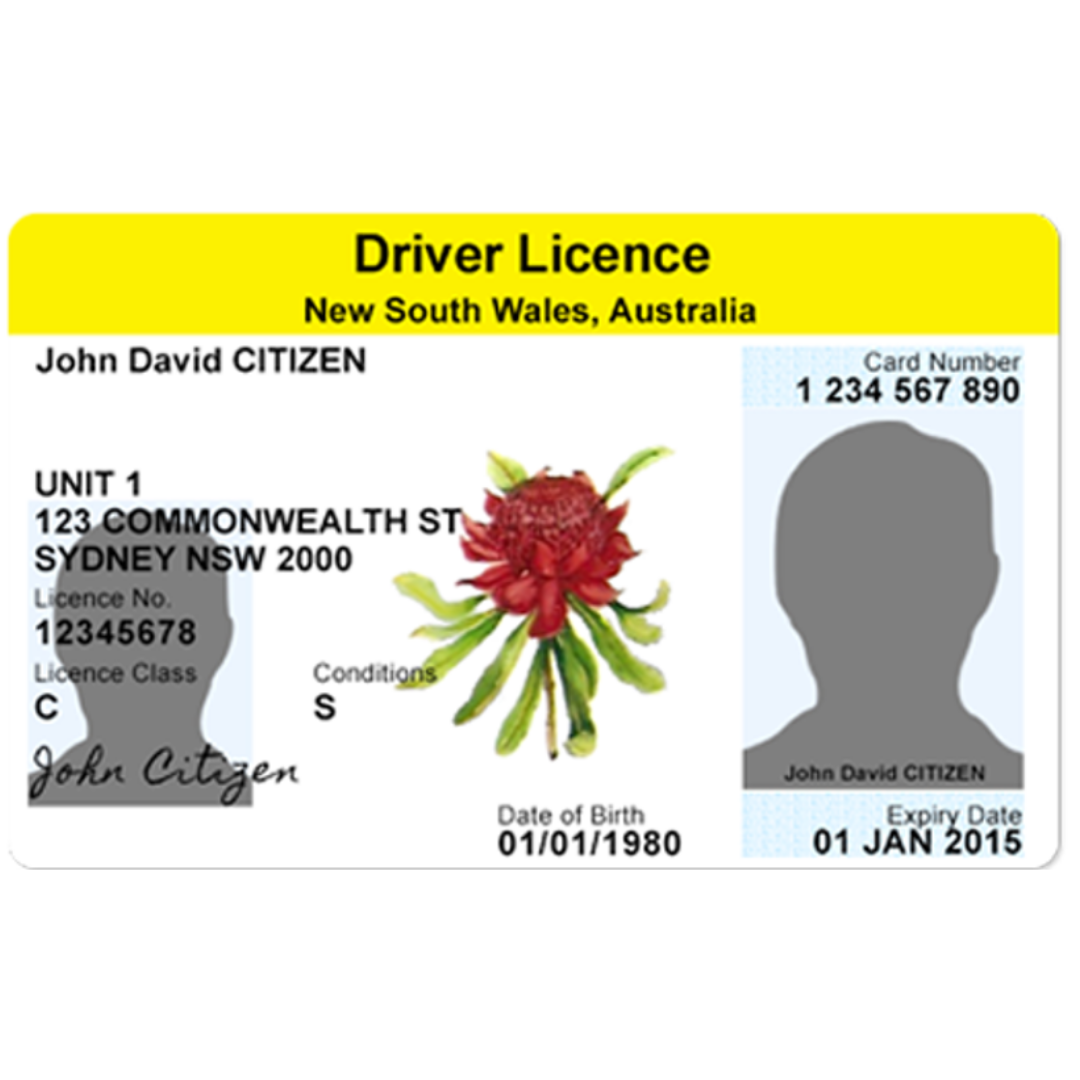
The notice will set out the alleged offence, location, time, fine amount, demerit points and your options to pay, nominate another driver or contest the matter in court.
If you receive one of these notices, our traffic defence team can review the evidence, explain your prospects, and help you challenge the infringement, seek leniency or minimise the impact where the law and facts allow.
How Far Back Do Traffic Cameras Go?
How far back traffic camera records go depends on how long the operating authority keeps either live footage or still images. Some systems overwrite live video quickly, retaining only still images associated with alleged offences, which are then stored for a set period to allow processing, review and any appeal. Others may archive footage from high-risk locations for longer, particularly where it is also used for crash investigation or serious crime inquiries.
There is usually a difference between traffic management feeds, which are often temporary, and evidentiary images generated for enforcement, which must be kept long enough to satisfy legal and administrative requirements. Retention periods and policies vary by region and agency, so it is not always possible to know exactly how many months or years of camera data exist without checking the specific authority’s guidelines.
Worried About Losing Your Licence From Camera Offences?
Multiple camera infringements can quickly add up to a suspension. We assess your traffic history, identify any challengeable fines and prepare representations or court submissions aimed at protecting your licence wherever possible.
Talk To A Traffic Lawyer About Demerits
Can Traffic Cameras Give You A Ticket And How Is Enforcement Decided?
Yes. Automated enforcement systems can directly generate tickets by capturing an image when an offence threshold is met, such as exceeding a set speed or entering an intersection on red. The system links the image to the vehicle’s number plate and retrieves registered-owner details from the relevant database, preparing a draft penalty notice.
Before a fine is issued, many jurisdictions require an authorised officer or contractor to review the image set to confirm the plate is clear, the signal status or speed reading is correct and no obvious error has occurred, such as an emergency vehicle in response mode. Enforcement policies, including speed tolerances, guide when a notice should be approved. Once confirmed, the infringement is formally created and sent to the registered owner by post or electronically.
Is There A Margin Of Error With Speed Cameras To Understand Accuracy?
All measuring equipment has some margin of error, and speed cameras are no different. The technical margin reflects tiny variations inherent in radar, lidar or sensor readings, which manufacturers and regulators account for in specifications and calibration procedures. Separate from this, authorities may apply an enforcement tolerance so drivers are not fined for very small deviations around the limit.
The tolerance is a policy choice, while the accuracy of the device is a technical issue. Modern cameras are regularly tested and calibrated, and records of those checks can be important if a driver challenges the reading in court. Understanding both the margin of error and the applied tolerance helps explain why some borderline speeds do not generate infringements, while clearly higher speeds almost always do.
How Do Speed Cameras Operate When Detecting Speeding Offences?
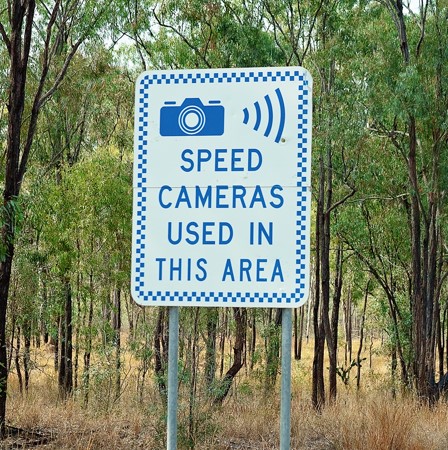
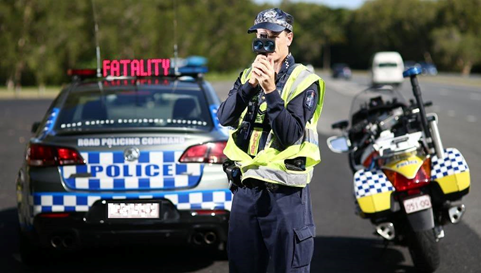
Fixed speed cameras use radar, lidar or in-road sensors to measure how quickly a vehicle passes a particular point. If the measured speed exceeds the enforcement threshold for that location, the system triggers and captures one or more images, recording the vehicle, number plate, lane, time and measured speed. These cameras operate continuously and can monitor multiple lanes at once, day and night.
Mobile speed cameras work similarly but are mounted in vehicles, trailers or handheld units that can be moved to different sites. Point-to-point systems record number plates at two locations and calculate average speed over the distance between them, detecting drivers who slow down only near fixed cameras. Detected offences are logged and later reviewed before penalty notices are issued to ensure the images and readings support the alleged speeding.
What Offences Can Red Light Cameras Detect At Intersections?
Red light cameras mainly detect vehicles entering an intersection after the traffic signal has turned red. Sensors in the road or at the stop line register when a vehicle crosses the line, and if the signal phase is red at that moment, the system captures images showing the vehicle both at the line and within the intersection. This proves that the driver did not stop as required.
Some combined red light–speed cameras also measure speed through the intersection, allowing authorities to penalise both running red lights and speeding on green or amber. The focus is intersection safety: these cameras target behaviour linked to serious side-impact and turning collisions. Recorded images normally show the signal colour, position of the vehicle, lane and direction of travel, forming the evidence base for any infringement.
Think The Camera Got It Wrong?
If you believe a camera misread your speed, lane position or plate, we can obtain the evidence set, examine calibration records and help you contest the allegation in the Local Court.
Challenge A Suspect Camera Reading
What Seatbelt Offences Can Cameras Detect On The Road?
Specialised road safety cameras can detect a range of seatbelt offences by viewing into the cabin from a high angle. Using high-resolution lenses and, in some systems, artificial intelligence, they analyse whether the driver and front passengers are wearing seatbelts and whether those belts are correctly positioned across the chest and shoulder. This allows detection even at normal traffic speeds.
Typical offences include a driver not wearing a seatbelt, a front passenger unrestrained, or belts worn incorrectly behind the back or under the arm. Some jurisdictions also use cameras to detect children who are not in appropriate child restraint systems. Potential infringements are usually reviewed by trained staff to confirm what the images show before fines and demerit points are issued to the registered owner or nominated driver.
Can Cameras Detect If Your Vehicle Is Unregistered While Driving?
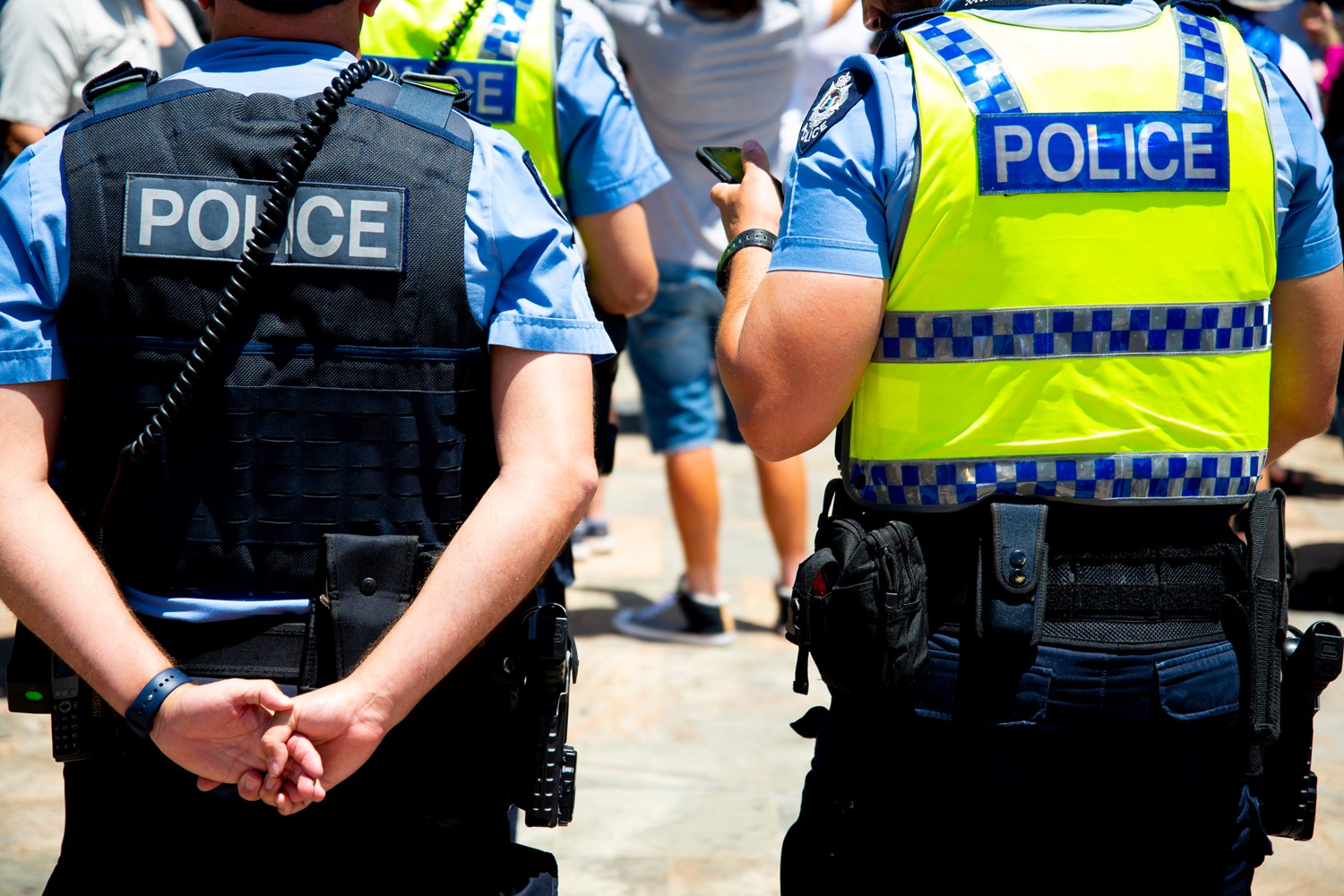
Yes. Many traffic and police vehicles use automatic number-plate recognition (ANPR) technology to scan plates as cars pass fixed cameras or patrol units. The system instantly checks the scanned plate against registration and insurance databases to see whether the vehicle is unregistered, cancelled, suspended or possibly stolen. This happens automatically and can occur across multiple lanes of traffic.
If the database check shows a problem, an alert is generated. Depending on local practice, this may lead to an automatic infringement notice or prompt police to stop the vehicle then and there. Driving an unregistered vehicle can result in significant fines, potential loss of insurance coverage for crashes and, in some cases, vehicle seizure or impoundment. ANPR helps authorities quickly identify and remove unregistered vehicles from the road network.















































































 1300 CRIM LAW
 Book a Free Consult
 1300 274 652
 BOOK NOW